

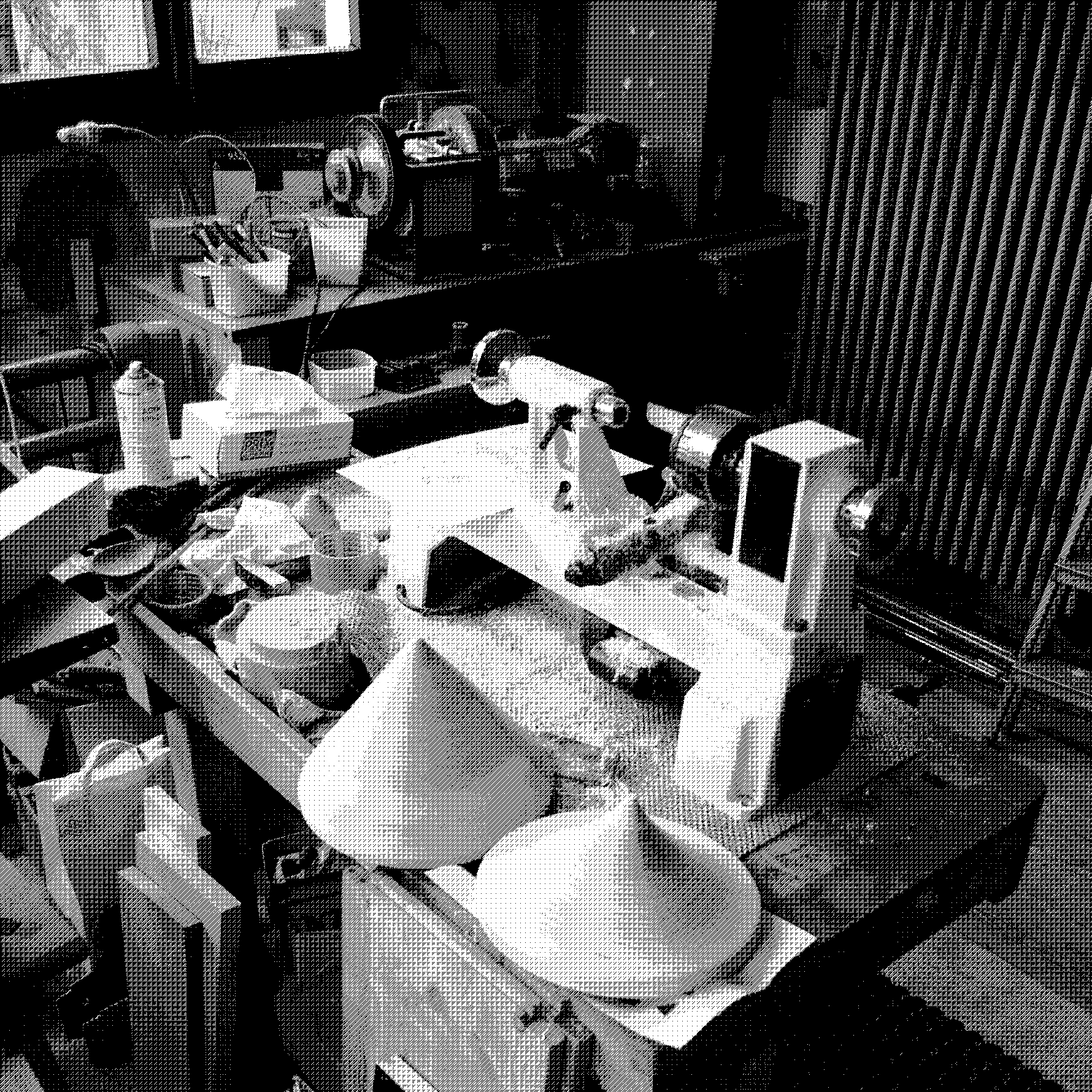
Choosing the right product design agency: How?
Choisir la bonne agence de design de produit est essentiel. Voici quelques conseils :
1. Culture plutôt que mentalité: Recherchez une agence dont la culture correspond à vos valeurs.
2. Recherchez l'innovation : Optez pour des studios de design engagés dans l'innovation plutôt que des portfolios similaires.
3. Ne limitez pas par la localisation: Explorez des options en dehors de votre région grâce aux outils de communication modernes.
4. Évitez trop d'alternatives : Limitez votre liste initiale pour une comparaison efficace.
5. Ne choisissez pas seulement en fonction du prix: La qualité prime sur le coût.
6. Définissez les attentes : Clarifiez les décideurs pendant le processus de design.
7. Ne choisissez pas uniquement en fonction de la marque: L'équipe dédiée compte plus que la renommée de l'agence.
Choosing the right product design agency is crucial to the success of your project. Here are a few tips to help you make the best decision:
1. Choose a spirit:
Rather than simply hiring a product design agency, look for a mindset or culture that matches your values. The agency's values say a lot about the relationship you will have with them. Choose agencies that enjoy working together, are innovative and proactive. Their office environment and website often reflect their culture and energy.
2. Seeking innovation:
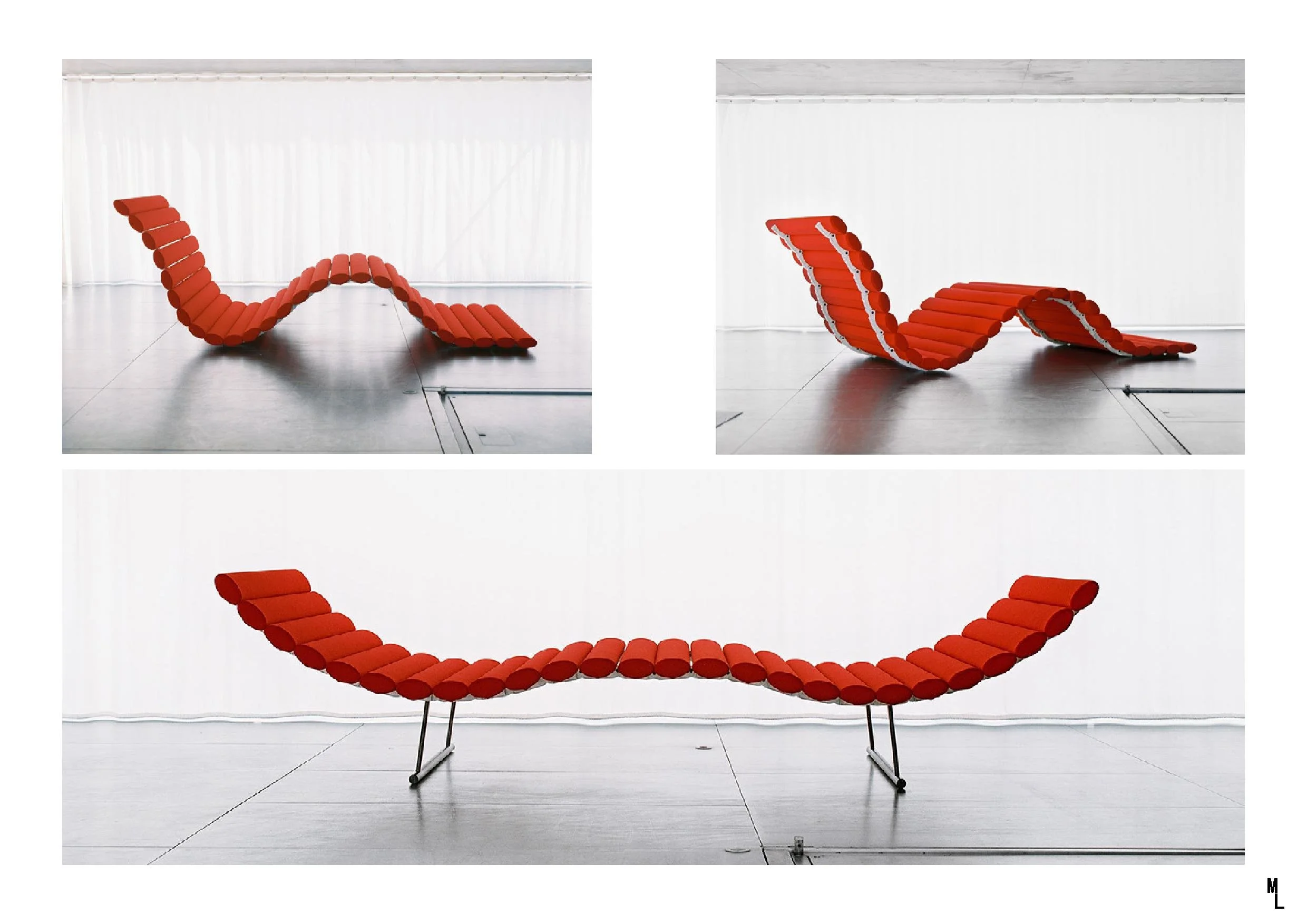
Design studios that are courageous, diverse and committed to innovation create more innovative and forward-looking products. Don't limit yourself to looking for exactly similar products in their portfolio, but rather look for truly innovative solutions they have developed and the experience they have gained by taking truly new paths.
3. Do not limit your search to a geographical location:
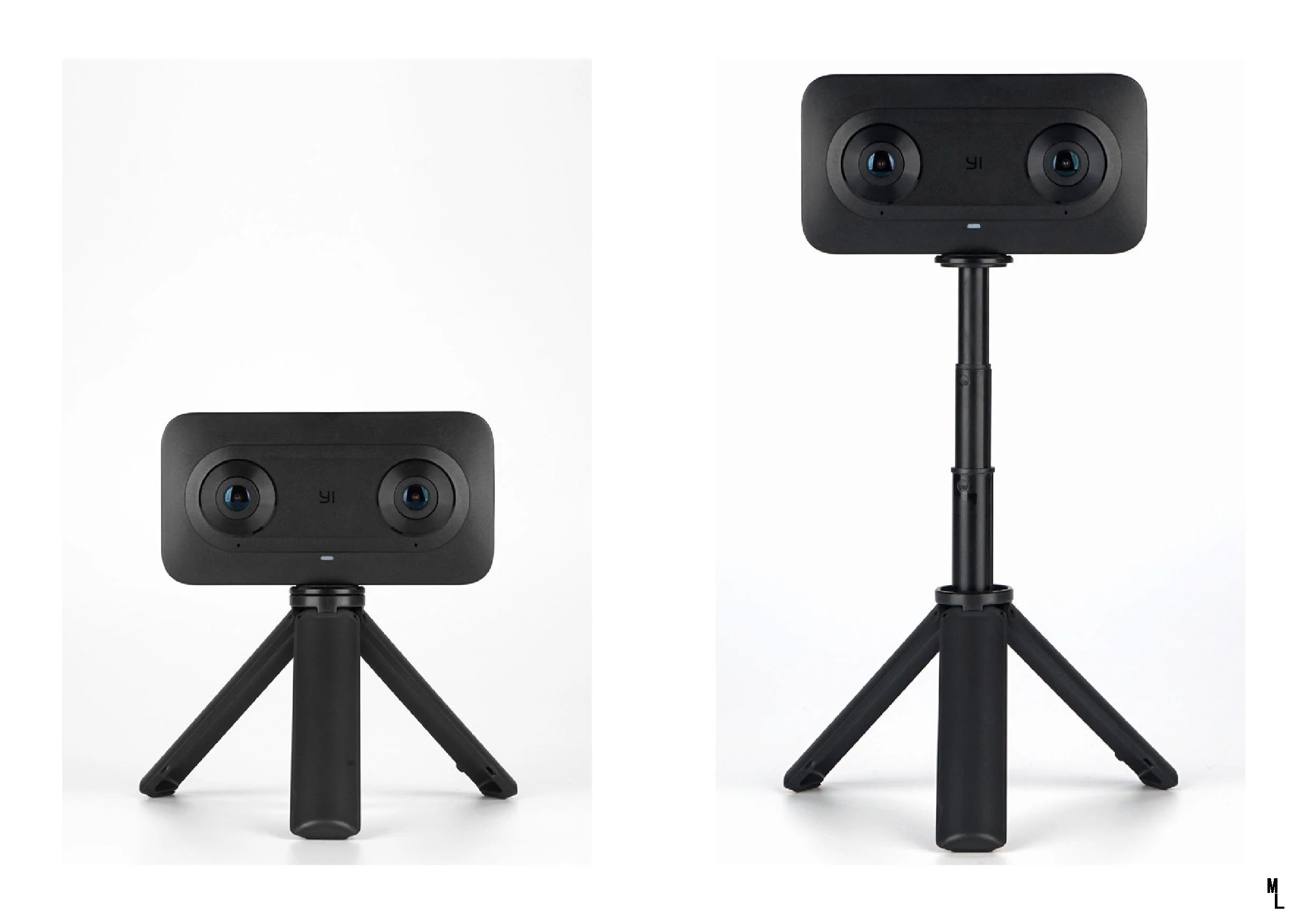
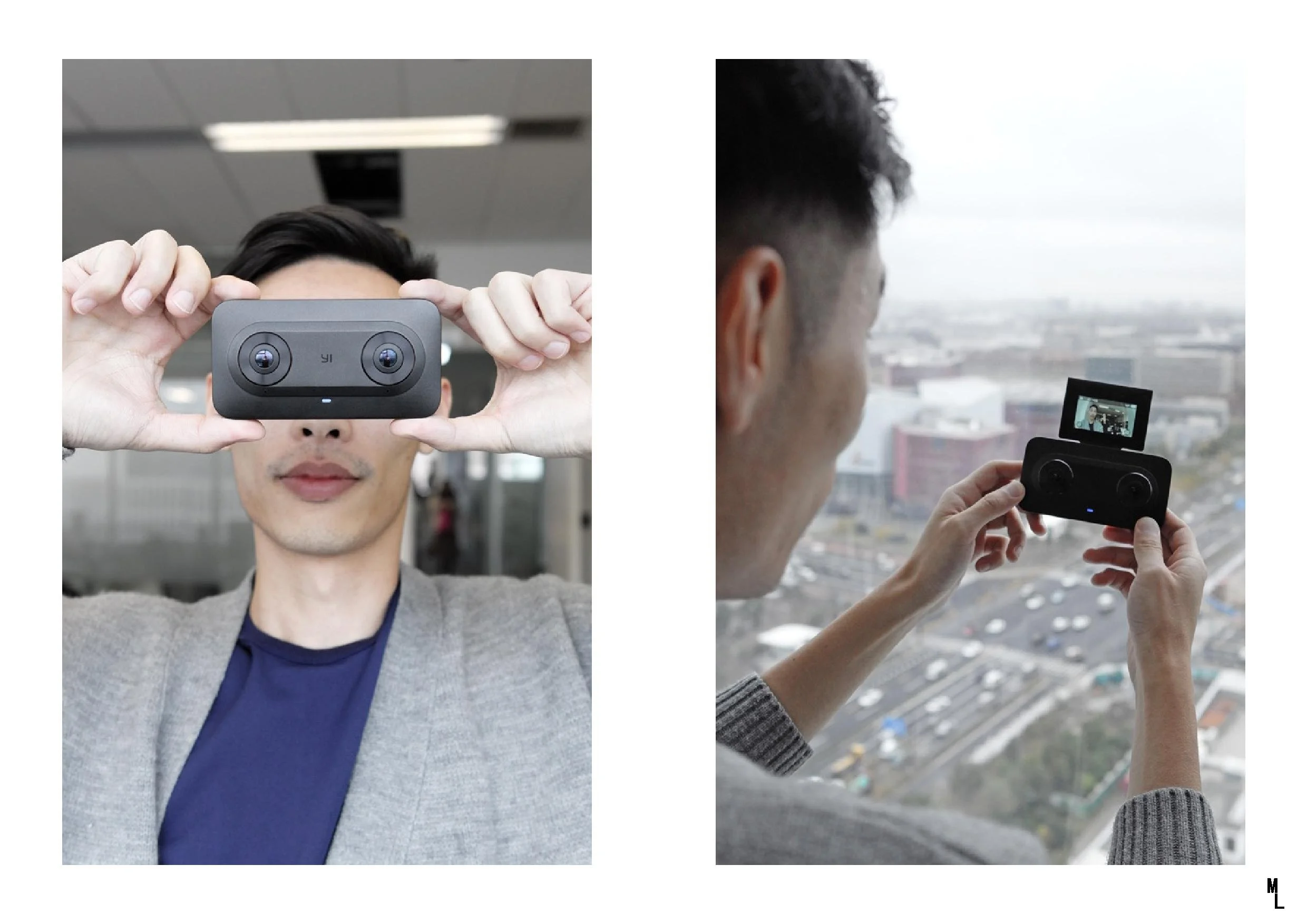
Location is not as important these days. With email, Skype and the telephone, you can stay in touch from anywhere. Do not prejudge. Sometimes, to get a new, fresh idea, an outside perspective can be useful.
4. Avoid too many alternatives:
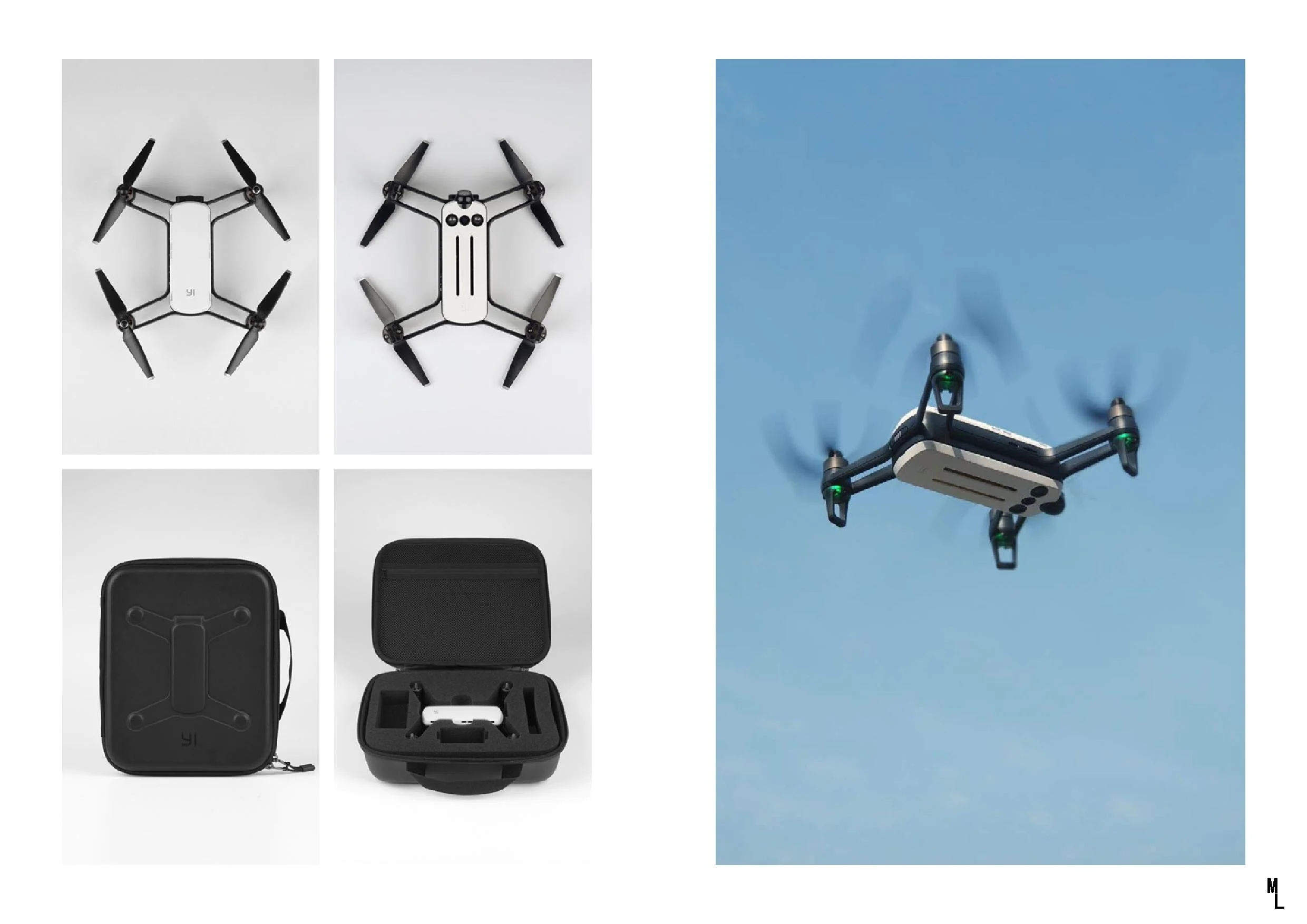
Considering 30, 20 or even 10 agencies is not the best thing to do. If your file is well prepared, your initial list can be relatively short and targeted. This will help you compare design agencies more effectively. Take enough time for each agency, call them several times, understand their culture, their proposal and their way of working.
5. Do not choose based on price:
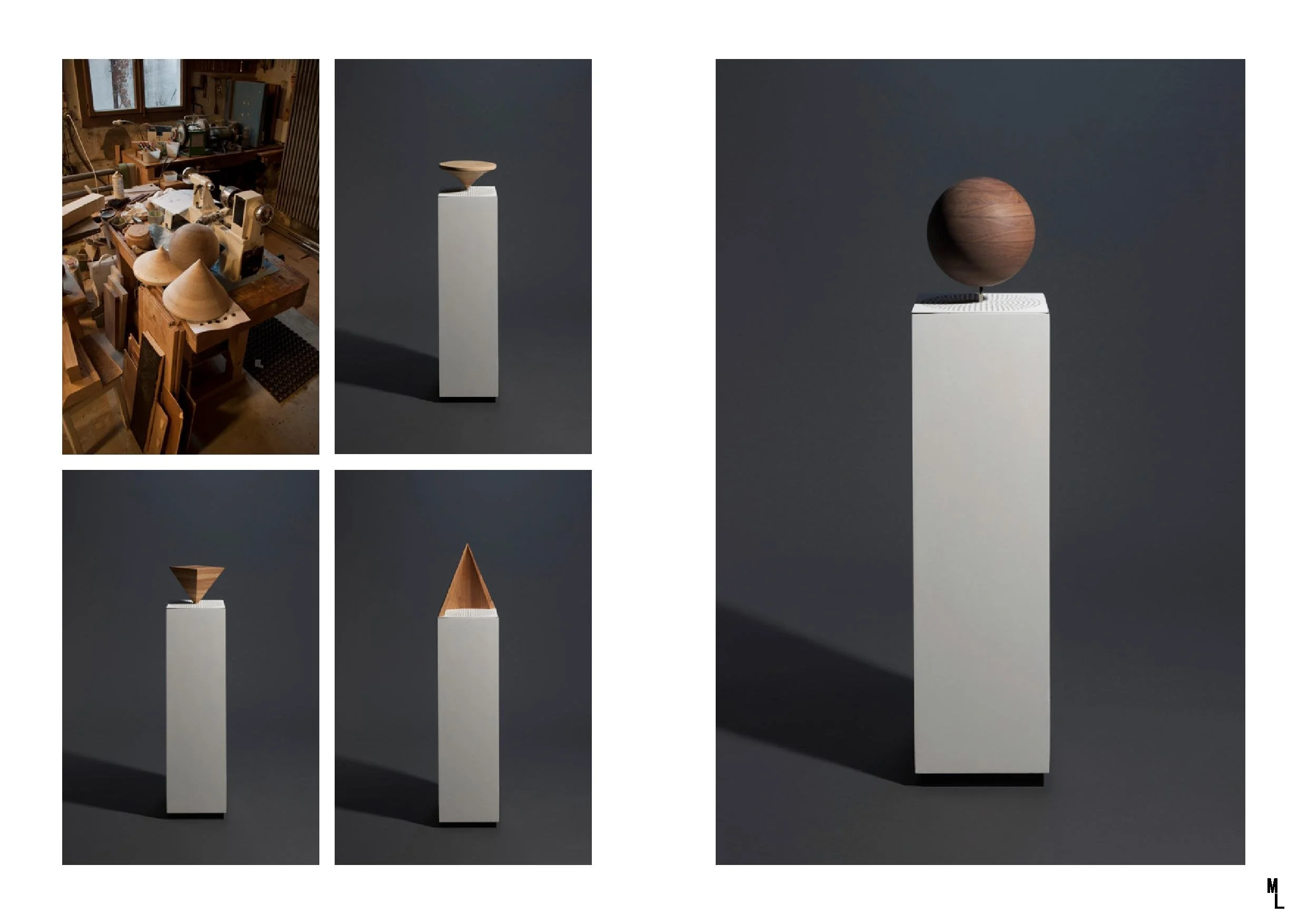
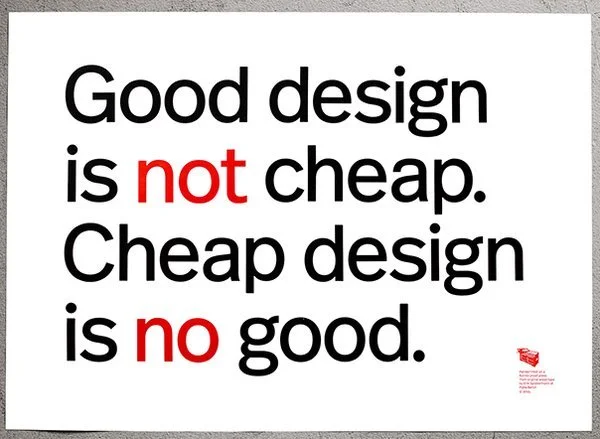
Price is important, but attempting to negotiate unreasonably could be counterproductive. It could lead to a decline in quality and dilute the service. You hire a design agency for the quality of its work, so avoid making cost the main criteria.
6. Defining expectations:
Decide who will make decisions during the design process. Participating in a design process is exciting and fun, but a limited number of people will lead to better decision-making. Favour design agencies that will help you make decisions rather than those that simply offer you more choices.
7. Do not choose based on brand:
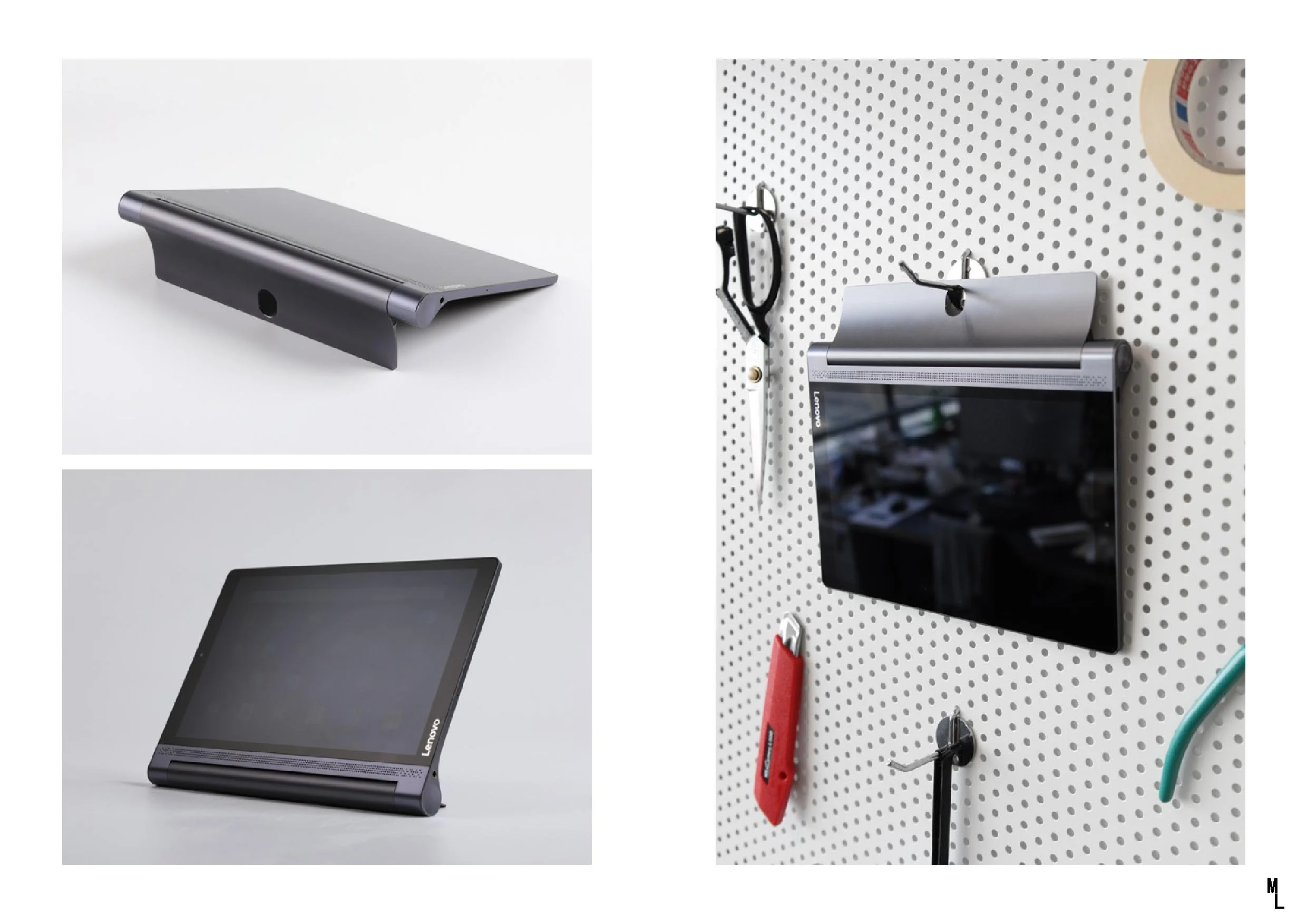
Design agency brands are important. They provide insight into the agency's history and values. However, the agency's brand will be less important to you than the design team, the people who will be dedicated to your project. Their dedication and passion for your project will determine its success.

The design engine of tomorrow
Le Moteur de Conception pour Demain
16 octobre 2023 à 07h30
‘Eco-friendly design helps preserve the environment by reducing the negative impact of products.’
Trashaus was founded in China in 2019. In 2022, it was registered as a Parametric ecological design office on the west coast of France, in Les Sables d'Olonne. Its goal is to help manufacturers reduce the negative impact of their products on the environment.
Maxence LOISSON de Guinaumont, co-founder of Paramétrique, shares his vision: "I lived in China for eight years. I worked as Industrial Design Director for a major electronics manufacturer. I saw opportunities for improvement in the field of ecology. But in technology, as in many other fields, time is money, and opportunities to challenge design methods and propose new ideas are rare. Yet eco-design is a real lever for innovation and differentiation from the competition.
As for my partner, Wang Junying, she has worked for companies in the Mi ecosystem, Himalaya Technology, and an Australian sustainable development consulting firm in Shanghai. She noticed that not all projects were living up to their environmental commitments. So we decided to take action, and in 2019, we launched this sustainable development project with our partners.
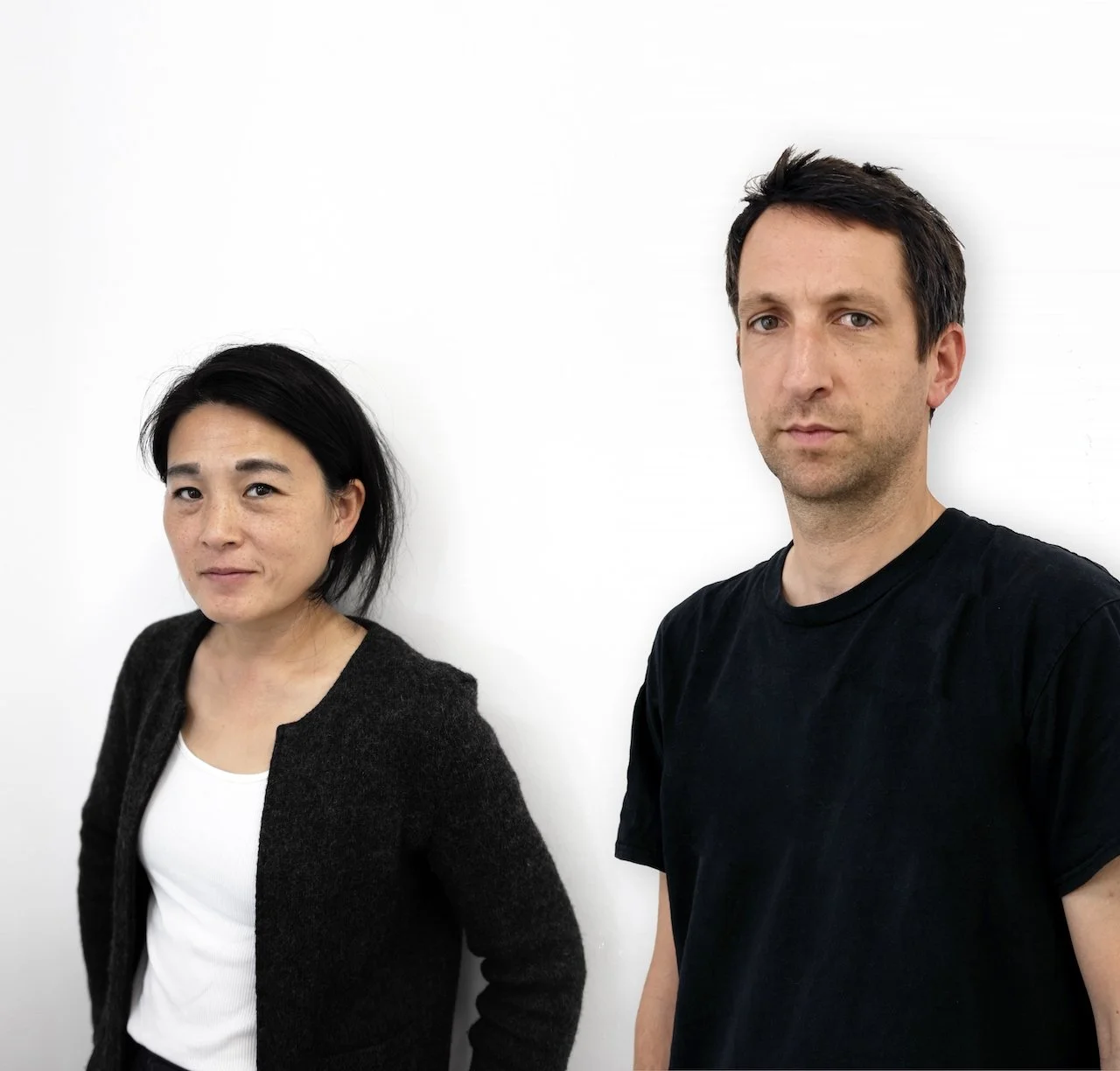
Junying WANG and Maxence LOISSON de GUINAUMONT
Recycling plastic waste
Maxence goes on to explain: "Our experience with sustainable projects began with transforming plastic waste into entirely new products. We participated in the Uber Eats project in China, using their own recycled materials to manufacture delivery boxes. Although the overall plastic recycling rate in France is relatively low (only 20%), thanks to the impetus of selective collection, some private sectors are already achieving recycling rates of 80%. This industry is becoming increasingly organised. Even though waste recycling remains a task for the future, we firmly believe that in five to ten years, plastic will no longer dominate. I think sorting centres can solve this problem without having to rely entirely on designers like us.
Our area of intervention begins at the earliest stages of product design, which has a direct impact on 70% to 80% of the overall environmental impact.
Paramétrique's start-up project has received support from Réseau Entreprendre Vendée. It is currently in the early stages of development and has received a grant of €25,000. Its mission is to establish a solid foothold in the local small and medium-sized business market and achieve a turnover of €91,000 in its first year.
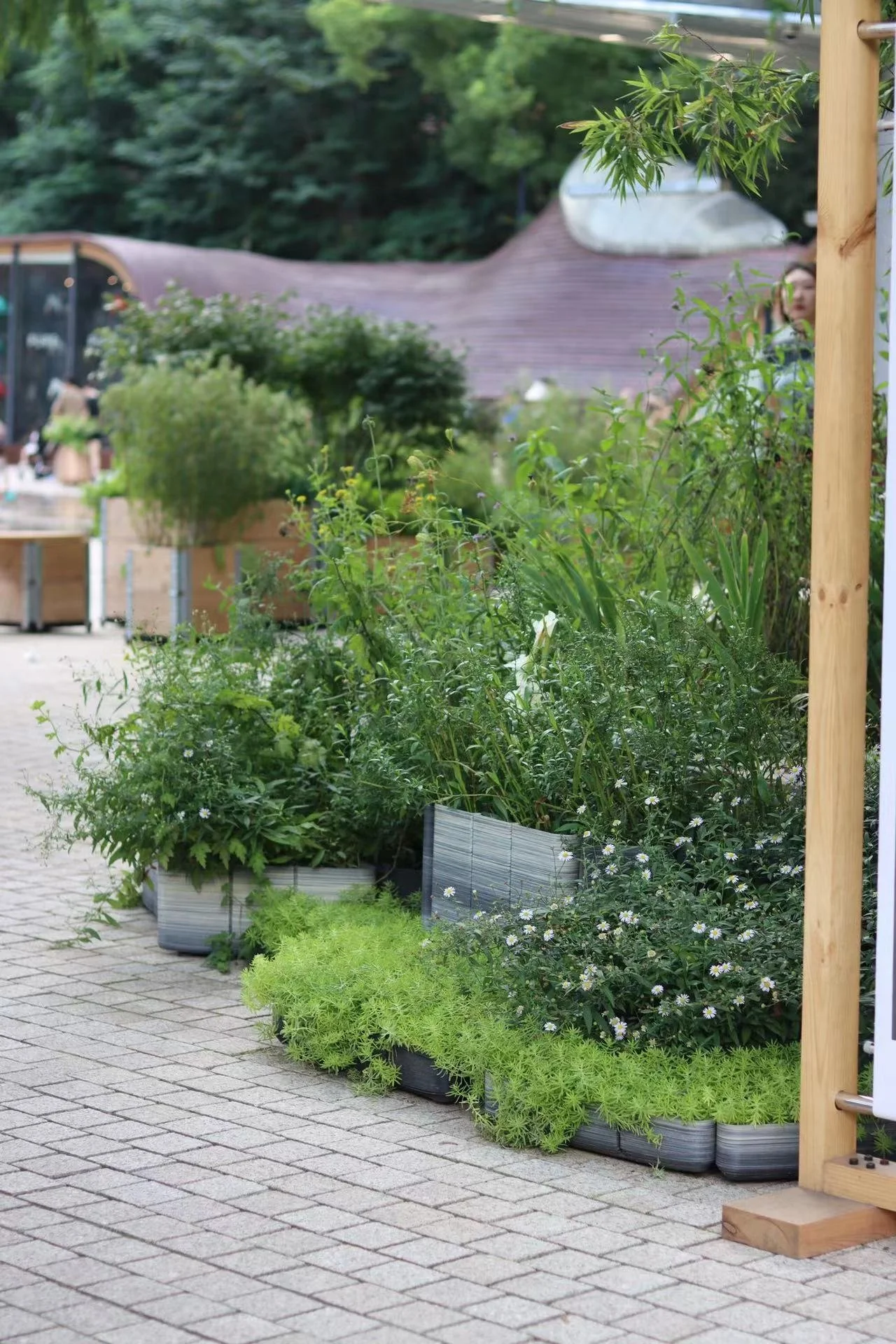
The plants in the recycled plastic flower pots in front of the new headquarters building are thriving, demonstrating the success of the eco-friendly design.
Paramétrique is involved in several major recycled materials projects, including the Kleeklee embossed flower pot project. Kleeklee aims to develop a unique design for environmentally friendly flower pots. These flower pots are made from recycled materials, using 3D printing technology and a large-format granule 3D printer. Product features include structural strength, recycled plastics, environmentally friendly design, high-performance triangles, and innovative and unique design.
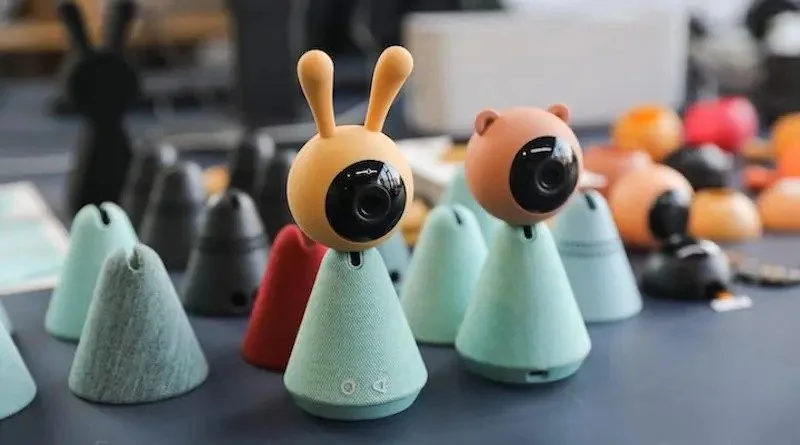
Kami camera series
Customer testimonial
Feedback from Paramétrique's customers highlights the success of Kami Care's eco-friendly camera project. Faced with various challenges, including designing an attractive, functional product that delivers high-quality video and complies with toy standards, Kami succeeded thanks to its environmentally friendly design approach, the key points of which are as follows:
1. Choice of natural materials: Kami opted to use fabric instead of plastic and rubber shells wrapped in fabric, as well as a food-grade silicone cover. This provides a more advanced texture while offering a more peaceful user experience.
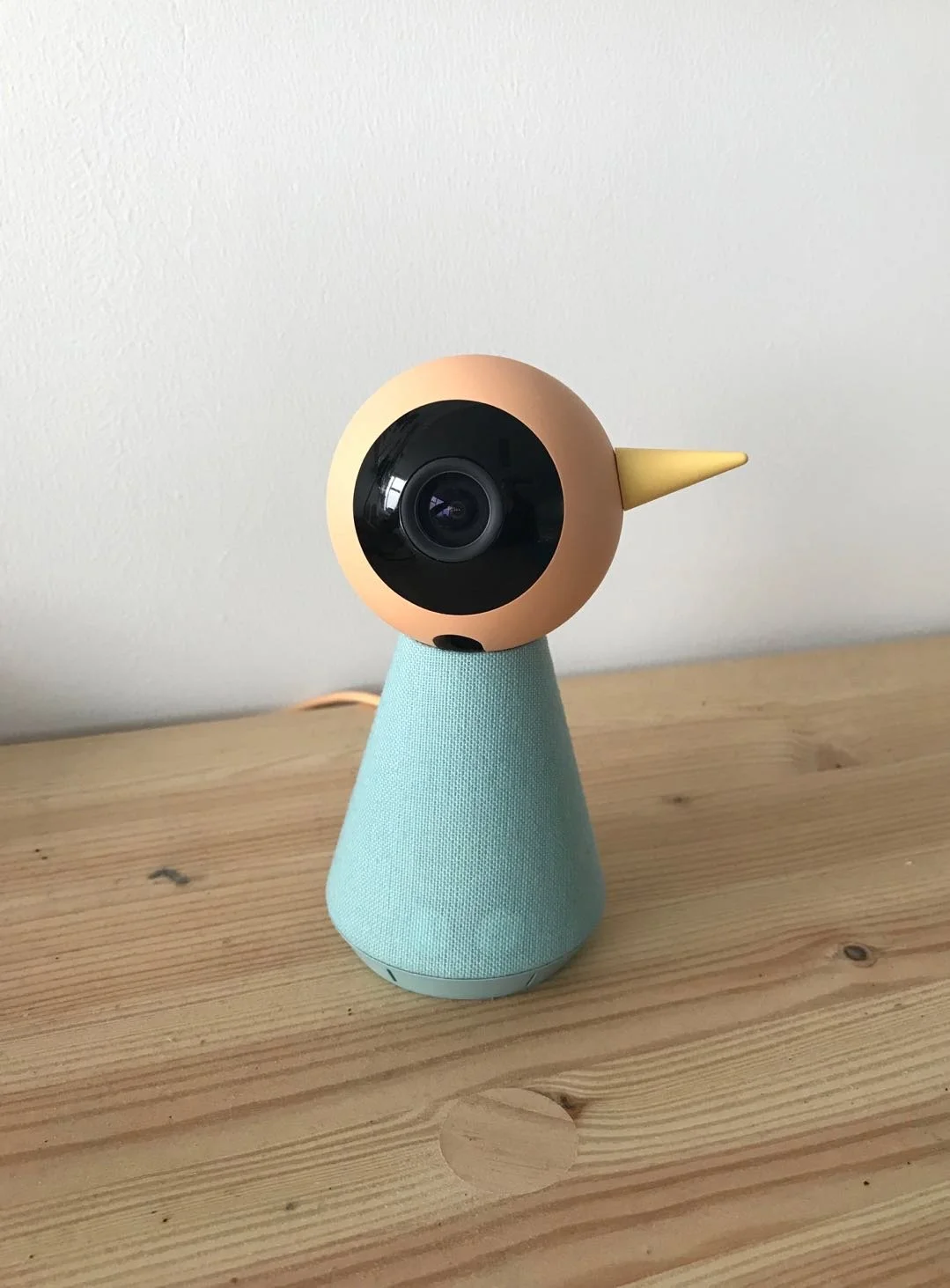
2. Reduced environmental footprint and sustainability: By using sustainably recycled materials, Kami has significantly reduced its environmental impact, with a 25% reduction in waste production across its entire product range. This approach has also increased the sustainability and quality of the products, extending their lifespan. The design of products and accessories is optimised to extend their life cycle, benefiting both users and the environment.
3. Increased profit margin: By shifting from a low-margin business model to one based on high-quality products with higher margins, Kami Care has likely seen a significant increase in profitability. This allows the company to generate more revenue while ensuring product sustainability.
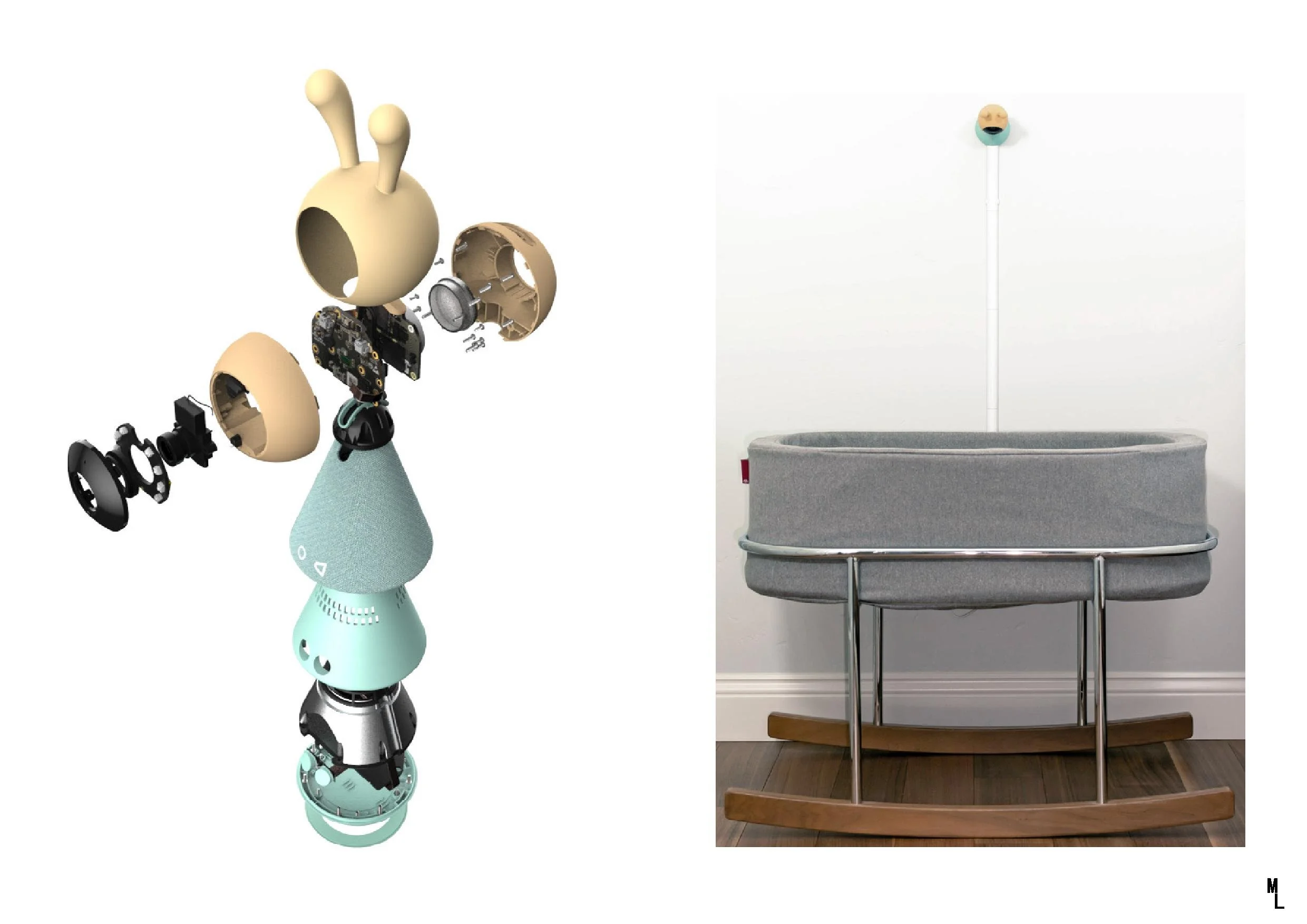
4. Design for tomorrow: Kami's designs focus on reducing environmental impact through the use of energy-efficient LED technology. The night light diffused through the wall has been chosen to avoid dazzling the baby's eyes, with adjustable brightness and a softer light to protect the baby's delicate eyes.
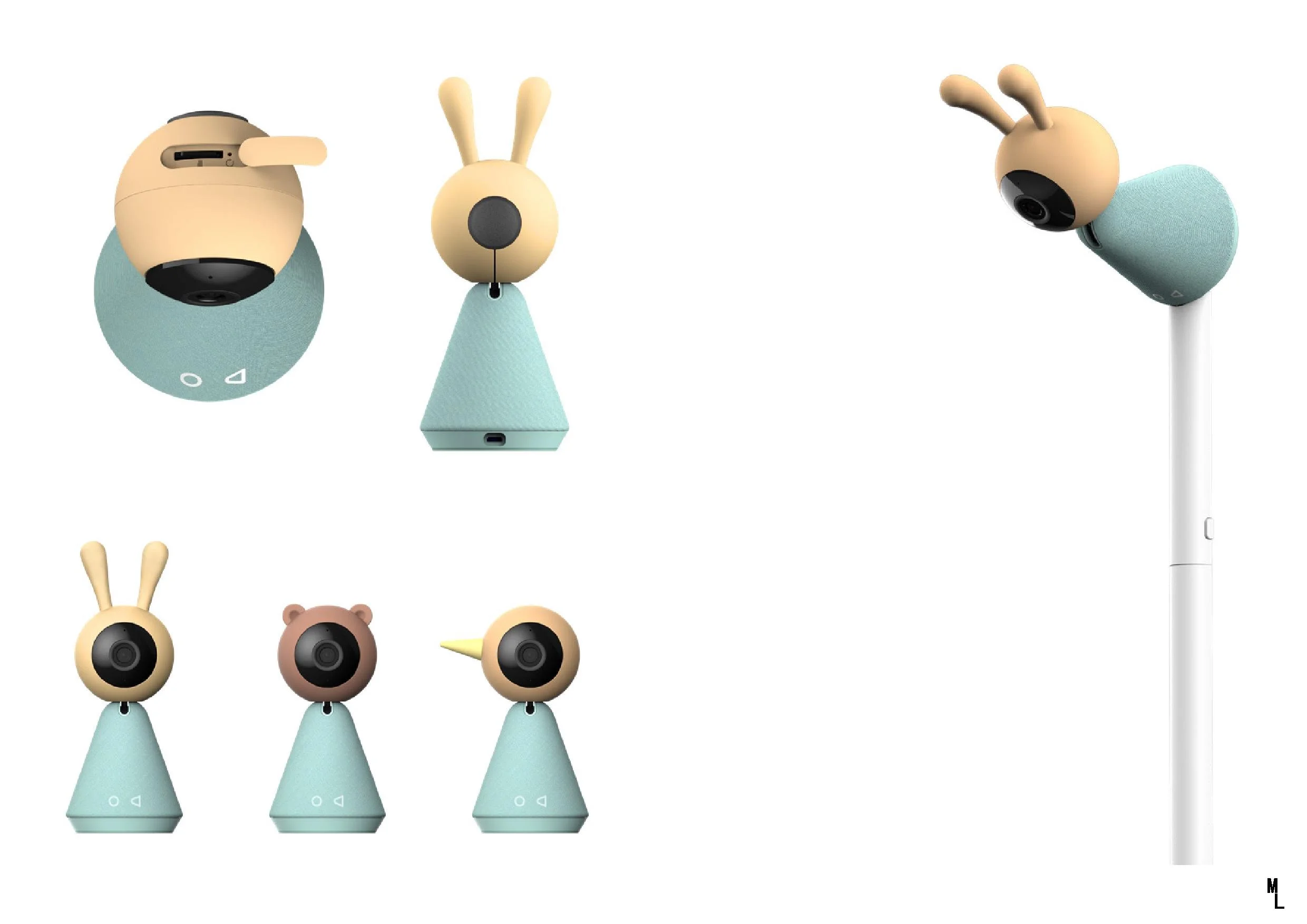
5. Impact on price: You mention that the standard Kami camera model sells for €19.99, while the Kami model with an environmentally friendly design sells for $149. This shows that customers are willing to pay a higher price for better quality and environmentally friendly products. It may also indicate that the market is willing to support products that have a lower environmental impact, even if they cost more.
6. Efficiency and functionality: Kami products offer an excellent balance between efficiency and functionality, all in compact, user-friendly packaging.
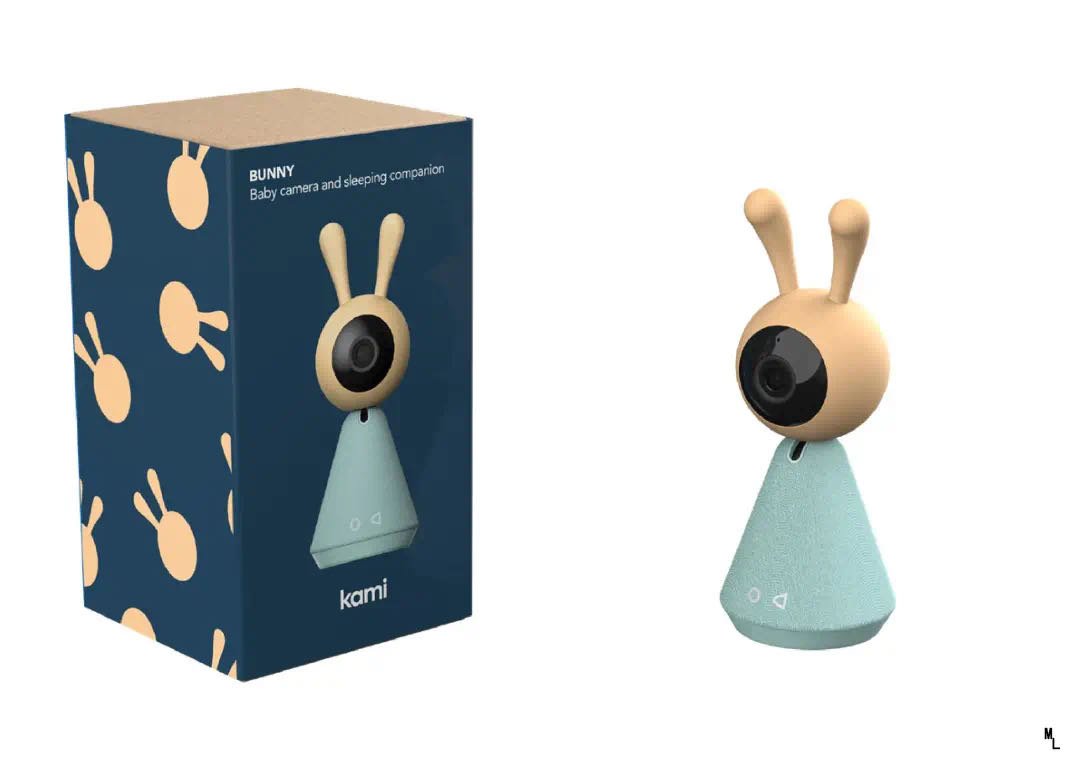
7. Data confidentiality and security: Kami's design incorporates measures to ensure data confidentiality and security, thereby strengthening user confidence. A high-precision metal shaft has been chosen, guaranteeing superior quality and peace of mind. Belief in the durability and quality of these products encourages customers to invest more, even if the price is higher.
8. User-centred design: A design method that places user needs at the heart of the process to ensure the product is easy to use and practical. When the product is switched off, it becomes a beautiful decoration or toy in the user's home.
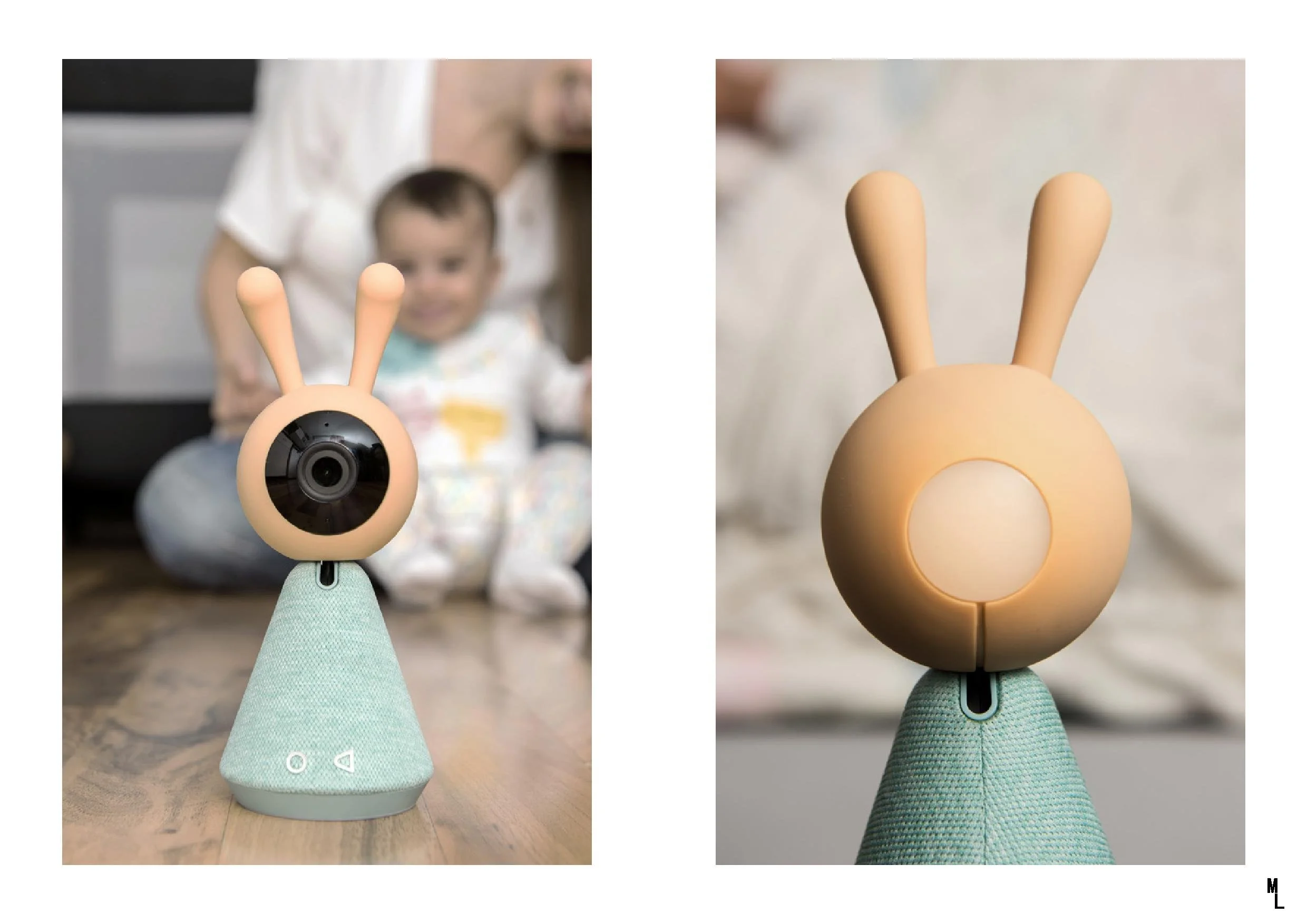
9. Timeless aesthetics: Despite continuous technological developments, Kami products retain a timeless aesthetic, thus preserving their appeal.
10. Adapting to market trends: Kami is responding to growing demand in the US market for environmentally friendly products that offer privacy and versatility.
Overall, Kami's market success is based on its environmentally friendly designs, which respond to changing consumer needs and promote sustainable products. This approach contributed to the success of Kami's crowdfunding campaign. To summarise this process, an in-depth analysis of customer profiles, sales channels and usage scenarios must be conducted, while defining clear specifications for the product.
In summary, Kami's success in the global market in 2020 and beyond is proof of its eco-centric design approach. The product's design incorporates sustainability, functionality, user-friendliness and data security, thereby meeting the changing needs and values of consumers. As a result, Kami continues to thrive in a competitive market, as evidenced by the £9,000 raised through Indiegogo in 2020, thanks to 914 contributors, as well as the £7,000 raised on 24 January 2020 with the support of 741 contributors. These figures clearly demonstrate the product's success. 🌱
Paramétrique is here to support the growth of your hardware business with our forward-thinking designs.
"To clearly define the product design philosophy, thoroughly analyse the customer profile, sales channels and usage scenarios.
Transform the information gathered into a clear specification document.
Have a comprehensive overview, including a thorough analysis of market needs, product concept and risks."
The Kami team and CEO Da