VATTI / Cooking hobs
Designing hobs for Chinese households. Understanding a culture and customs that differ from our own, with issues that are both different and similar.
Gas first and foremost
Analysis of usage in China
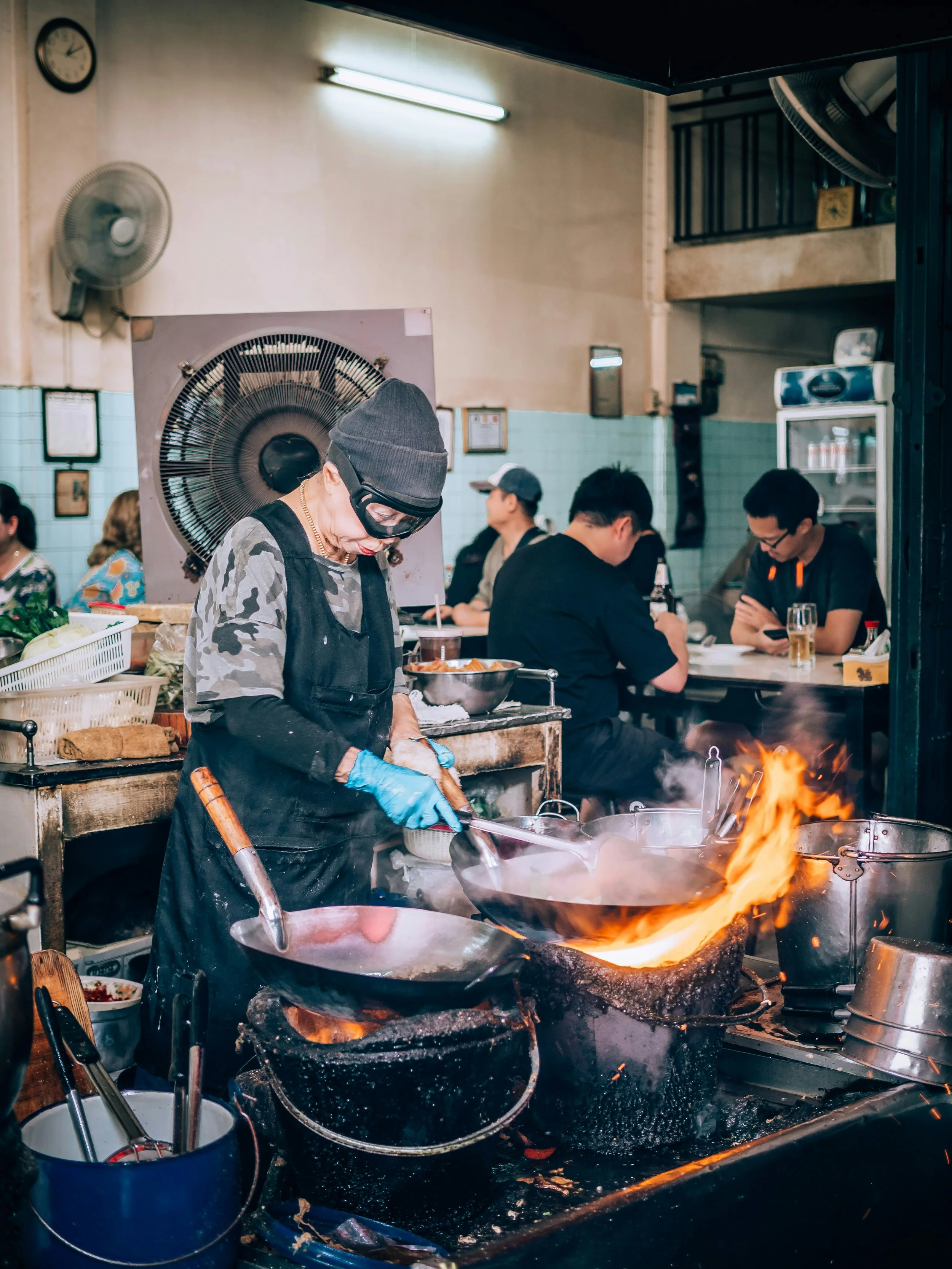
Cooking hobs in China are much more powerful than those used in the UK. Cooking over high heat, frying and using a wok for stir-frying mean that gas is the dominant fuel source, unlike in the UK where ceramic hobs are more common.

Modernism, the fully automated home, controlled by buttons and smartphones, is already mocked in Jacques Tati's Mon Oncle. The immaculate white kitchen without a speck of dirt is far from our subject. Chinese cooking is manual, tedious, involves flames and splatters, and requires constant attention from the user.

Burners
The burners on Chinese hobs are two to three times more powerful than those used in France in order to meet their requirements: frying, stir-frying and high-temperature cooking.

Projections
Deep frying requires high heat, which means oil splatters. Containing splatters and ensuring safety are therefore important requirements for these hobs.
Reference
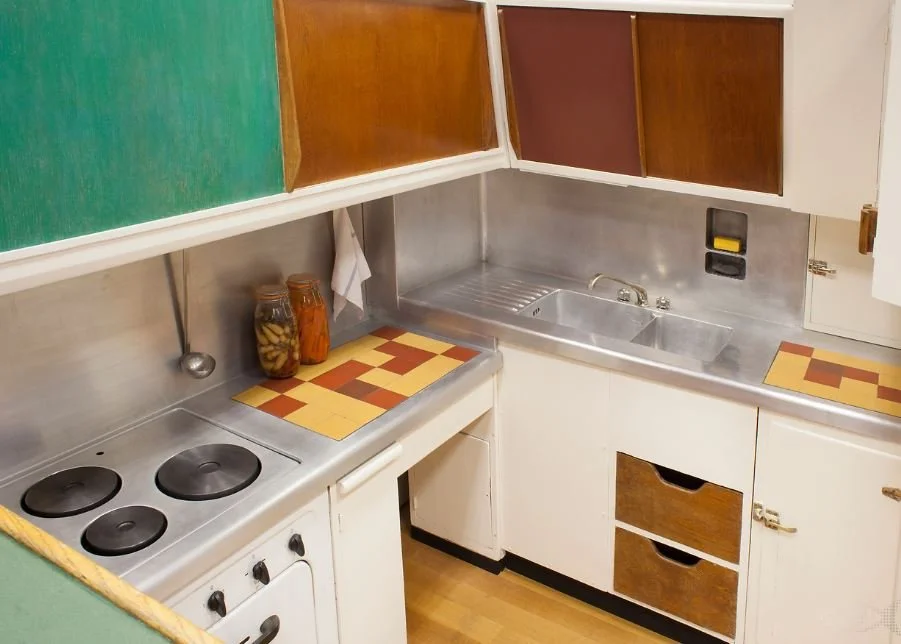
A visit to Le Corbusier's apartments, designed in collaboration with Charlotte Perriand, remains a powerful reference point. Aesthetic, functional, without being ostentatious.
Idea 1
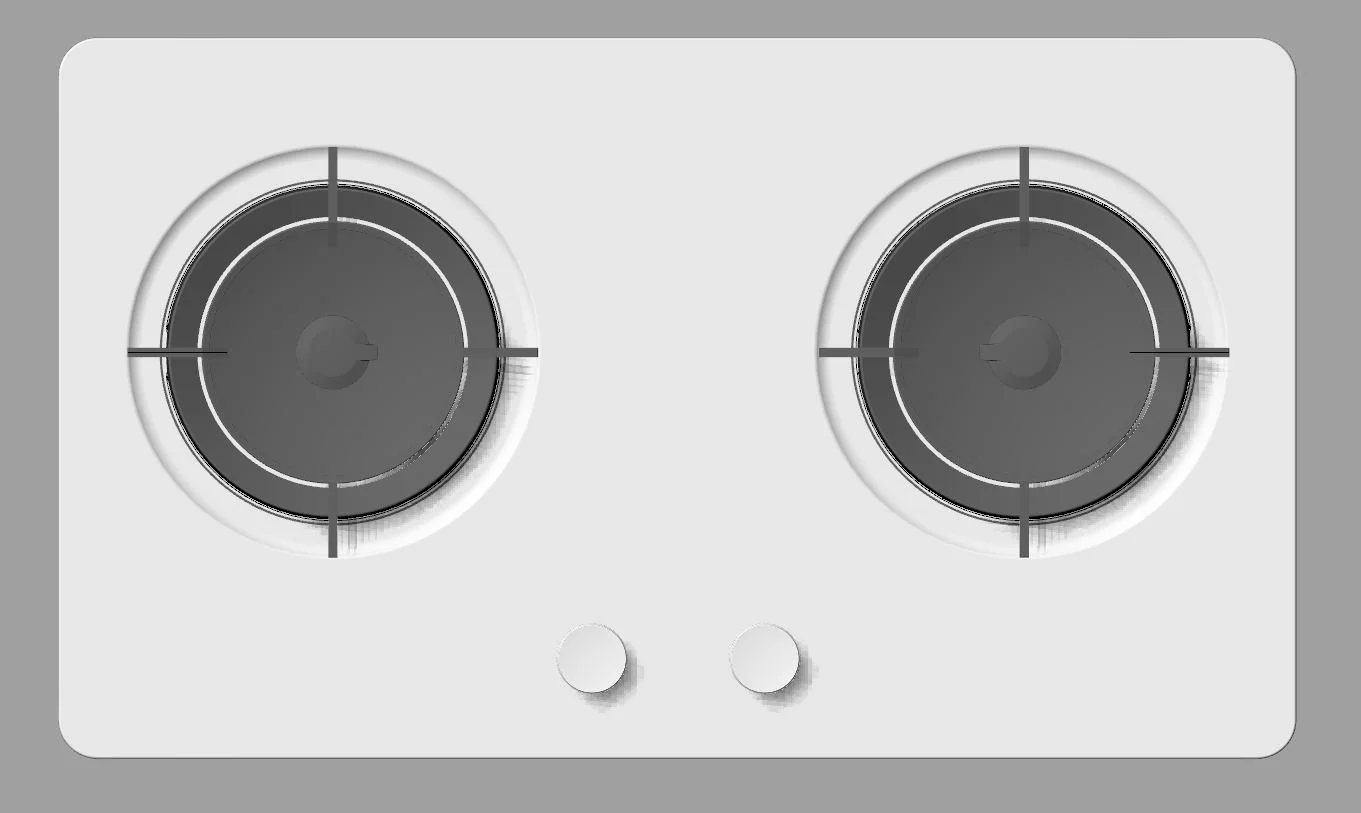
Two circles to contain the oil and make cleaning easy / Use
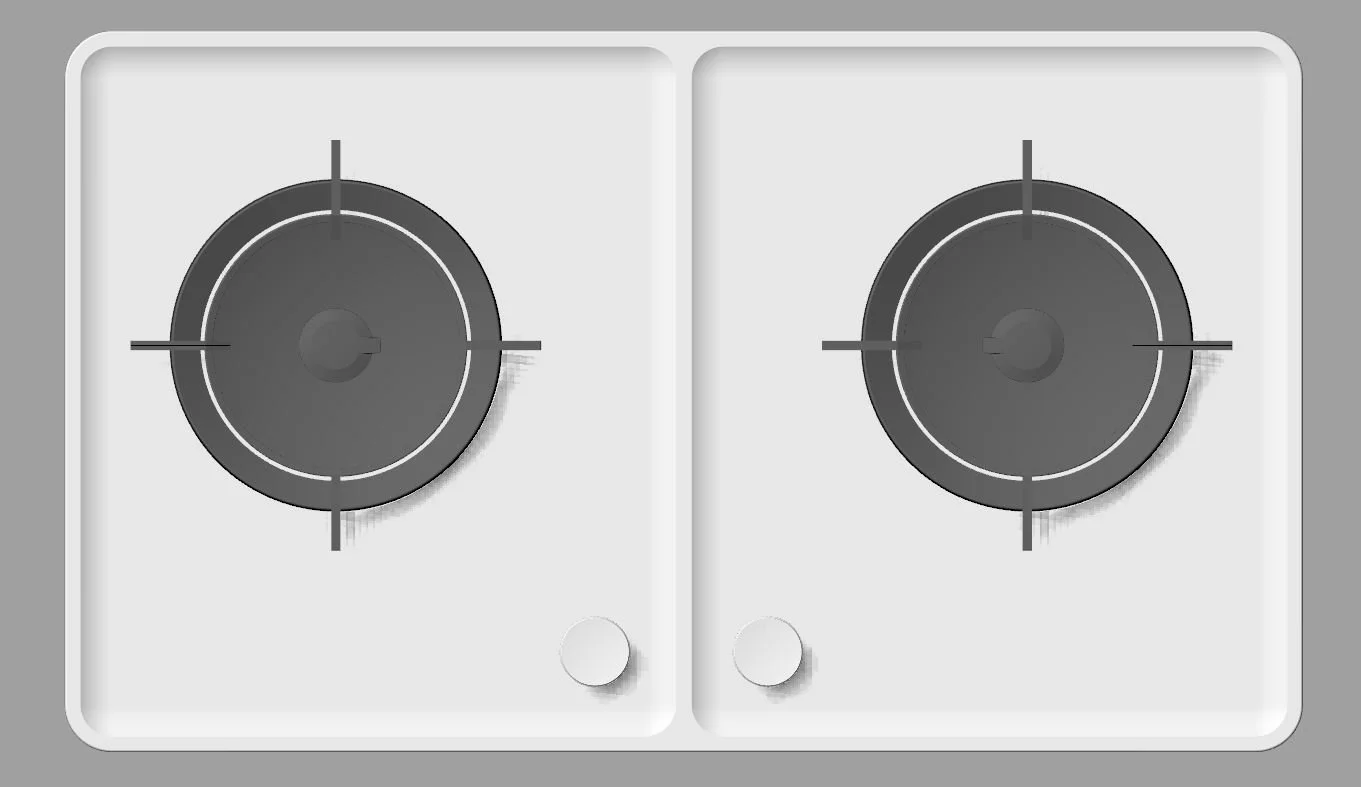
Idea 2
Divide the baking sheets into two parts.
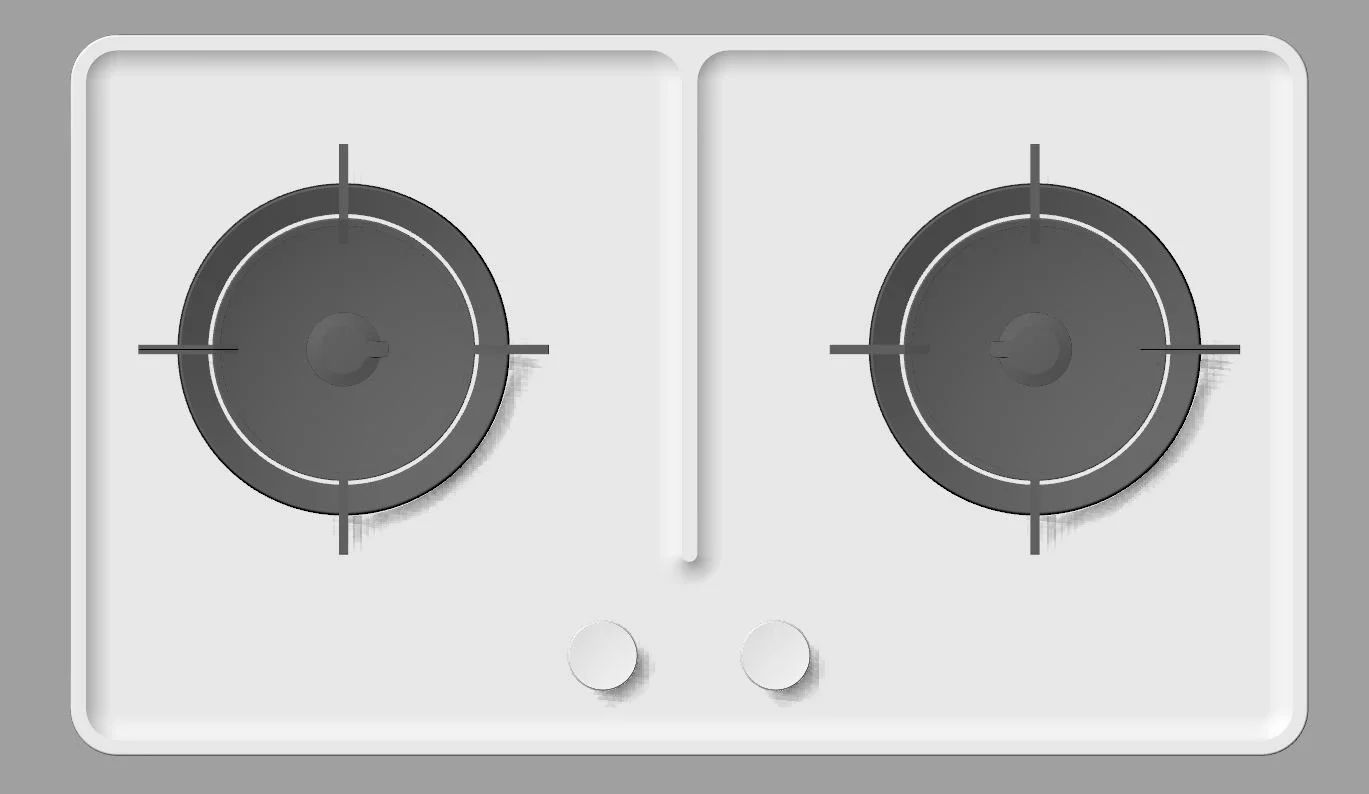
Idea 3
Separate while maintaining a shared space
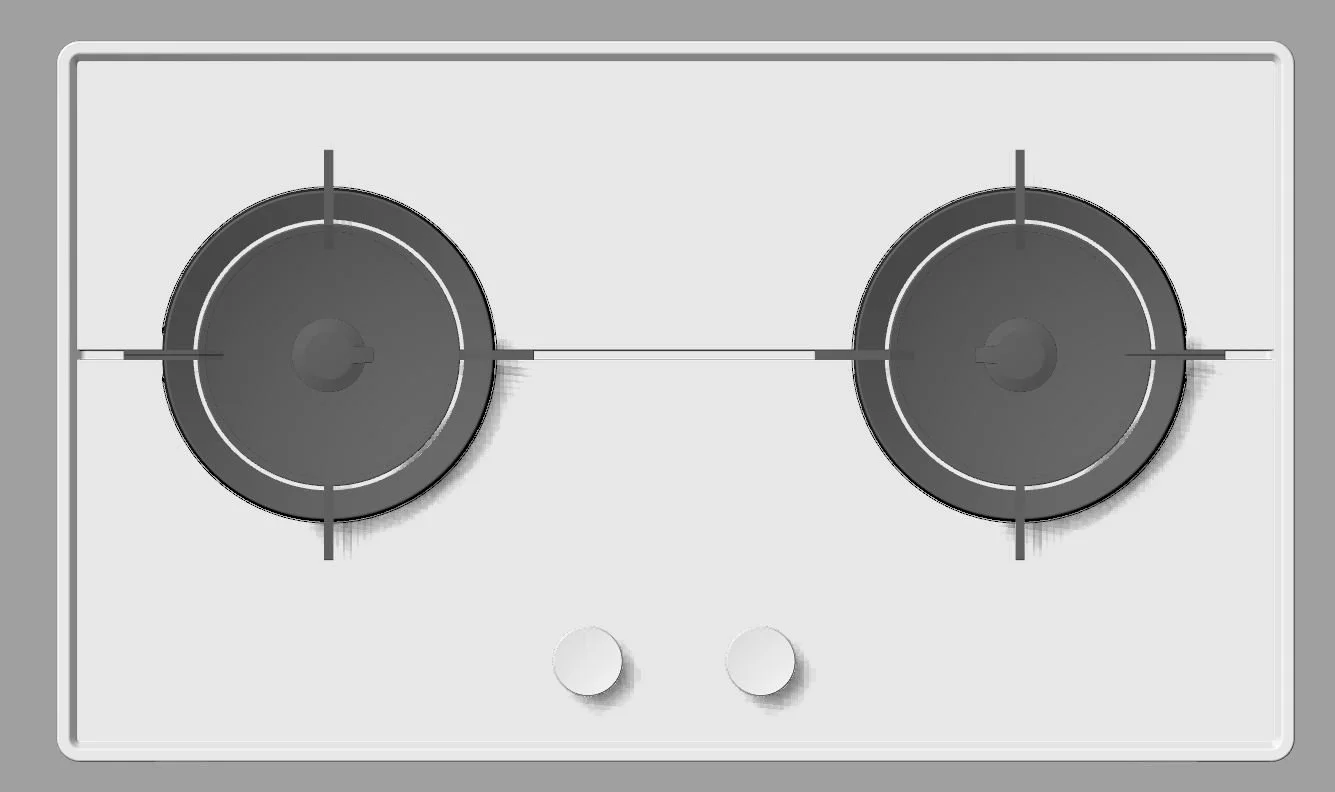
Idea 4
A common area defined by a frame, the groove in the middle helps to stiffen the stamped plate.
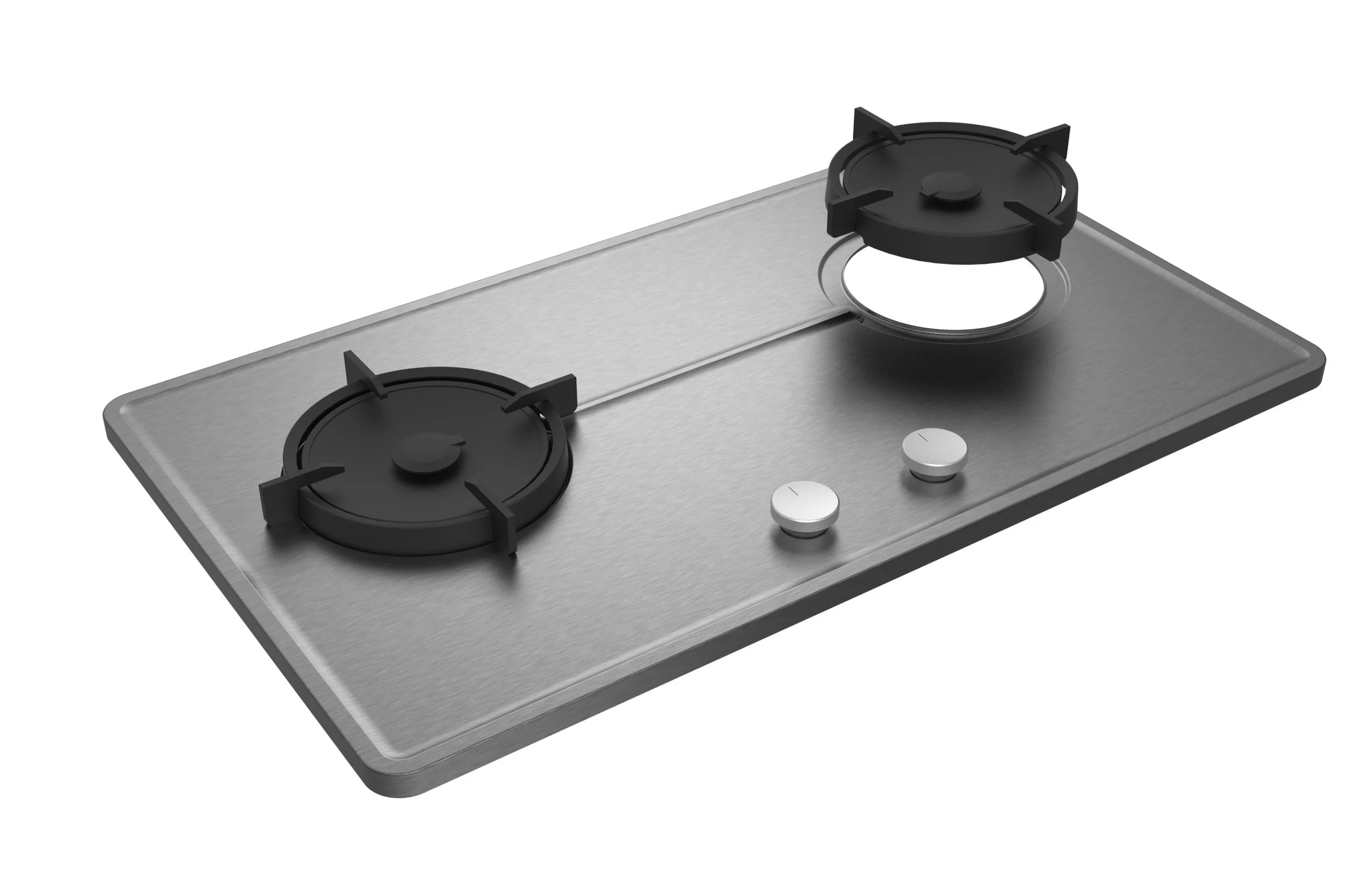
Proposal 1
The simplest design: a groove in the middle to stiffen the whole thing, and a groove all around to contain the cooking oil.
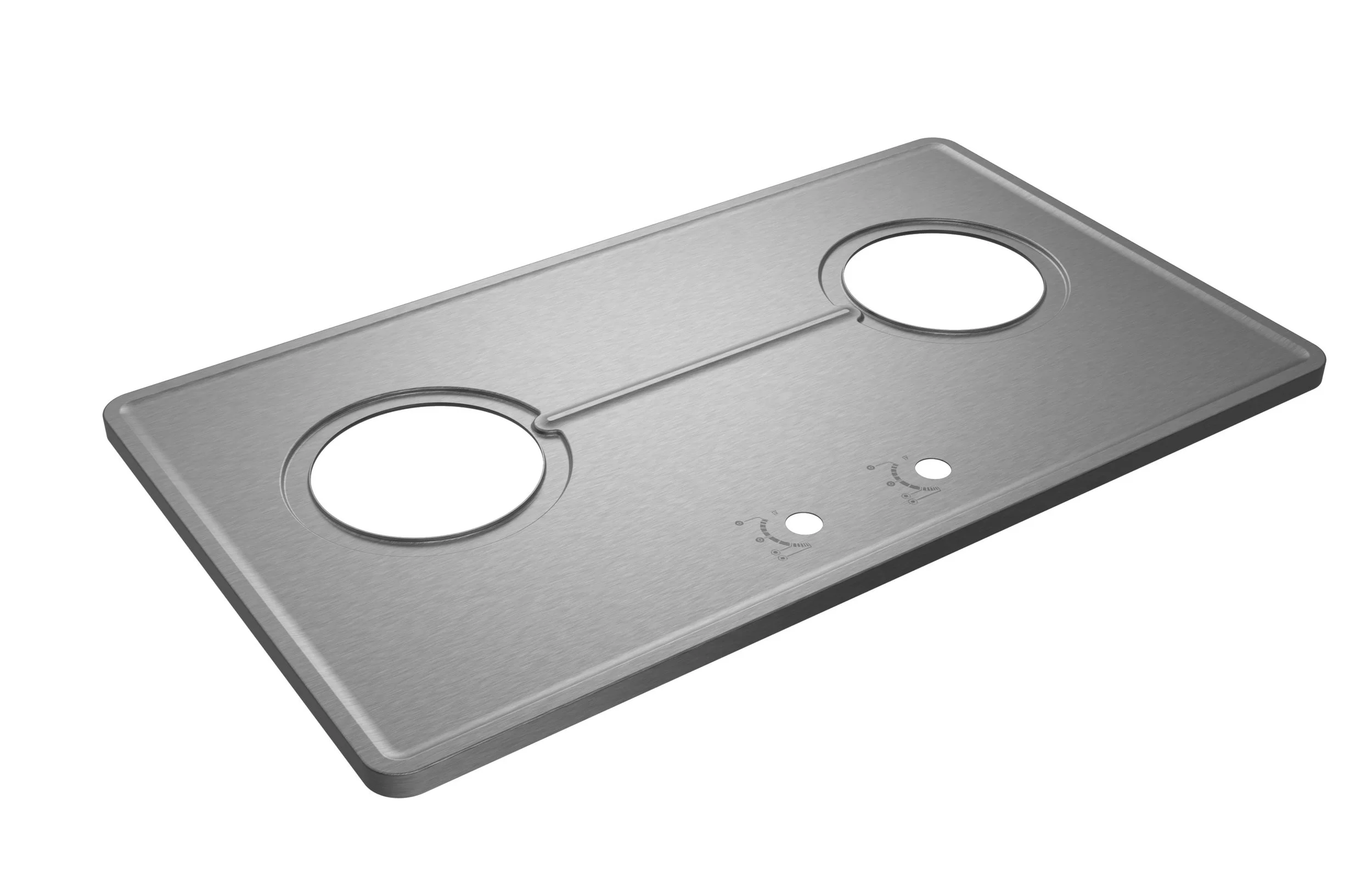
The groove in the middle is both a functional and aesthetic detail.
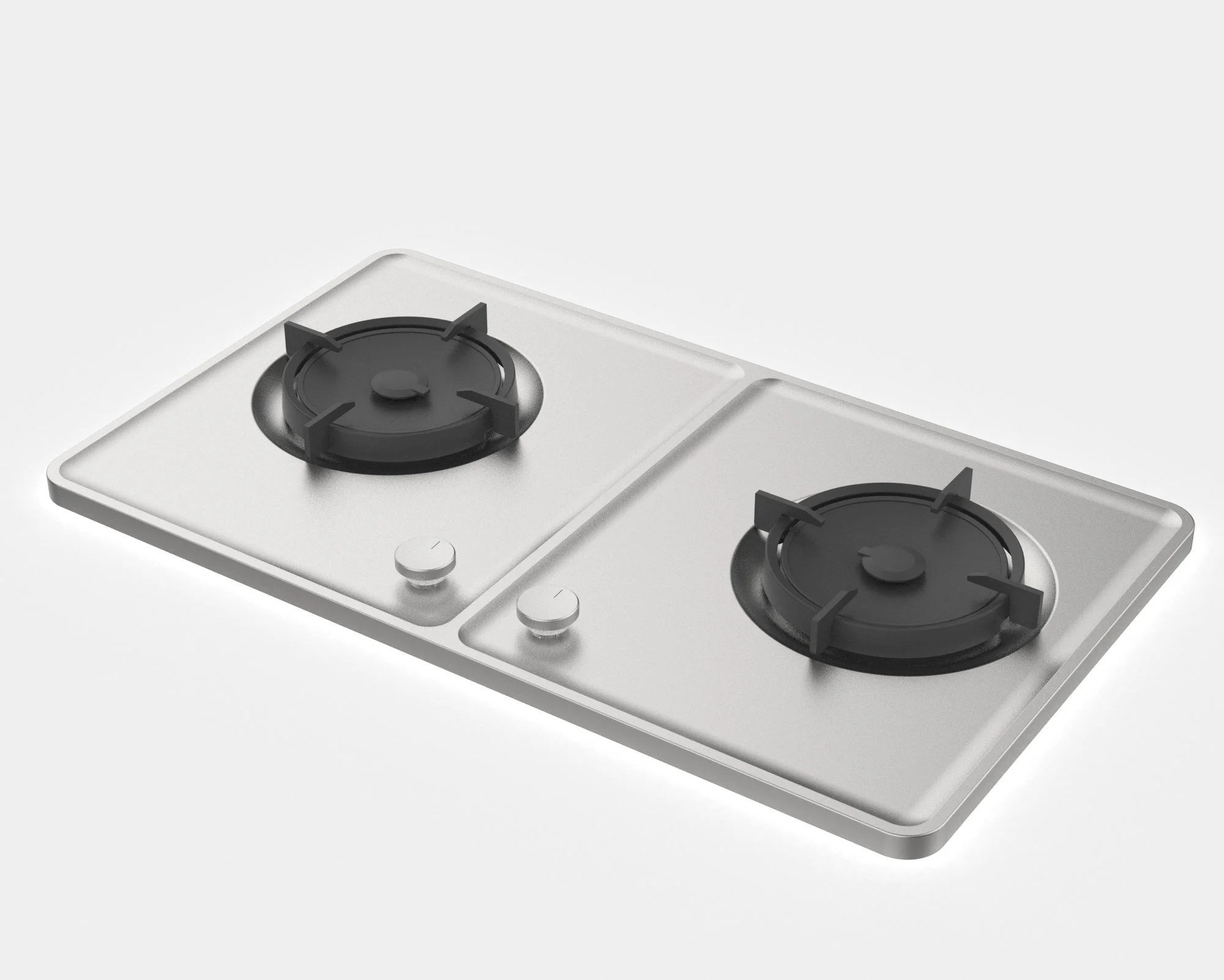
Proposal 2
The two parts are separated so that, in the event of liquid splashes, half of the plate is spared.