Study on shopping bags/tote bags
Designing a comfortable, durable and attractive handbag without reinventing the wheel. If we take the Longchamp Le Pliage bag, a bag that is firmly rooted in popular culture, analysing its flaws can serve as a starting point for designing a handbag.
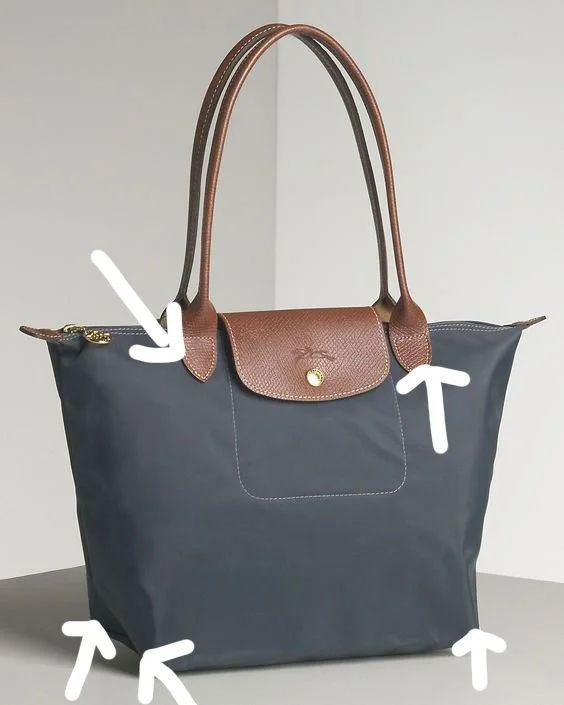
Longchamp The Fold
Identification of recurring wear points on this product.
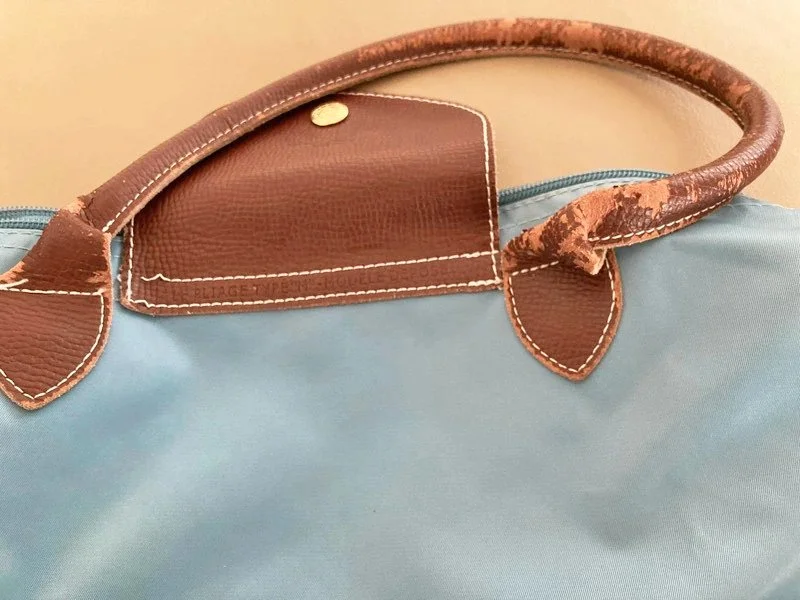
Handle
The leather handle is subjected to too much stress at the junction point and always ends up breaking after a certain amount of use.
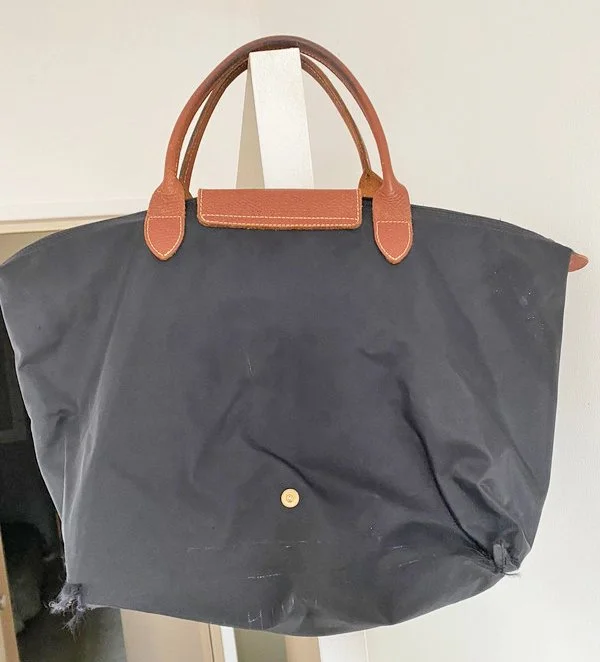
Protrusions
Here we can clearly see the corners worn away by friction on the sharp edges formed by the folding of the nylon fabric.
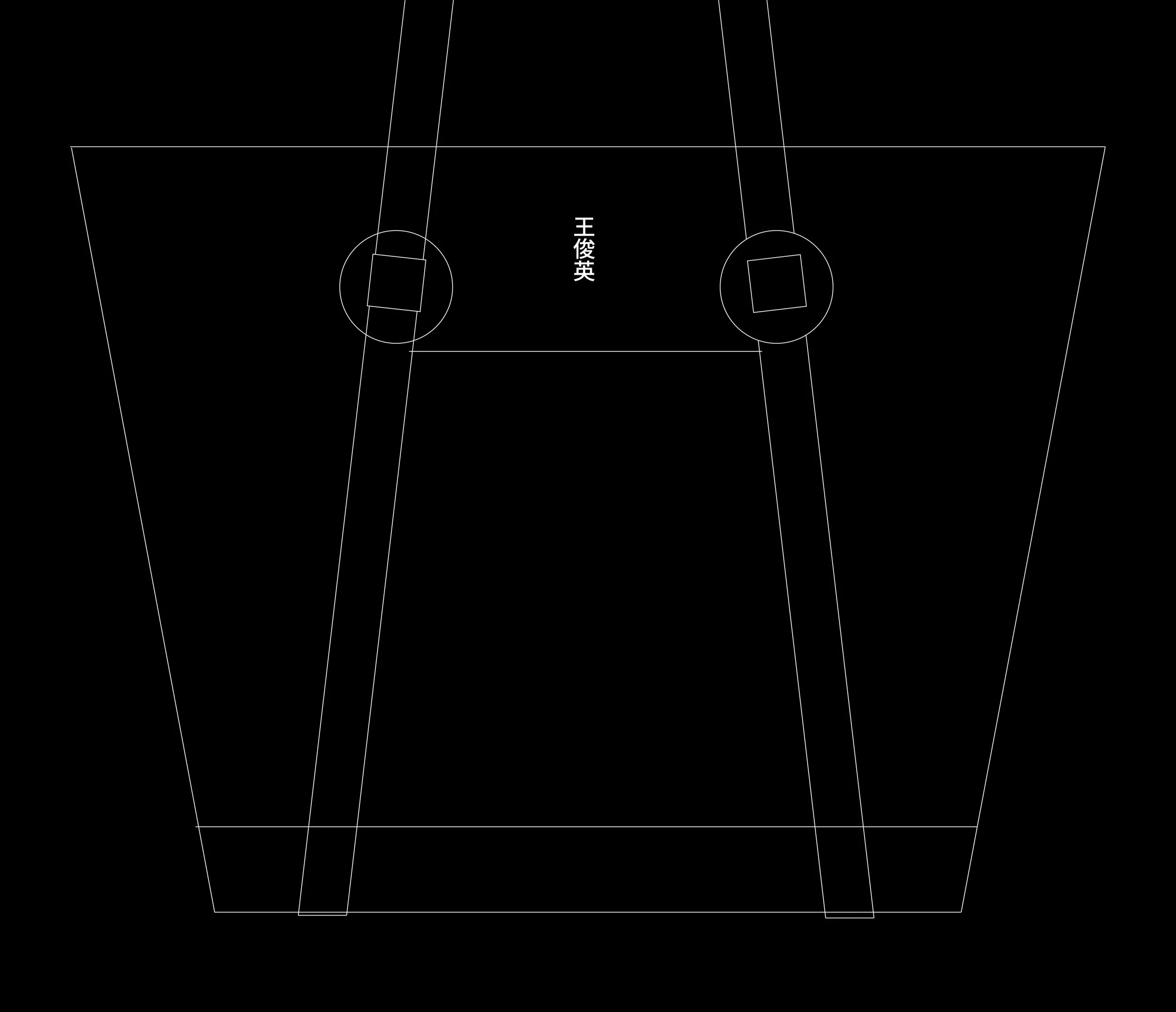
Tote bag design
Draw straps that will pass under the base of the bag to reinforce its strength, and design a mould to obtain a base with rounded corners.
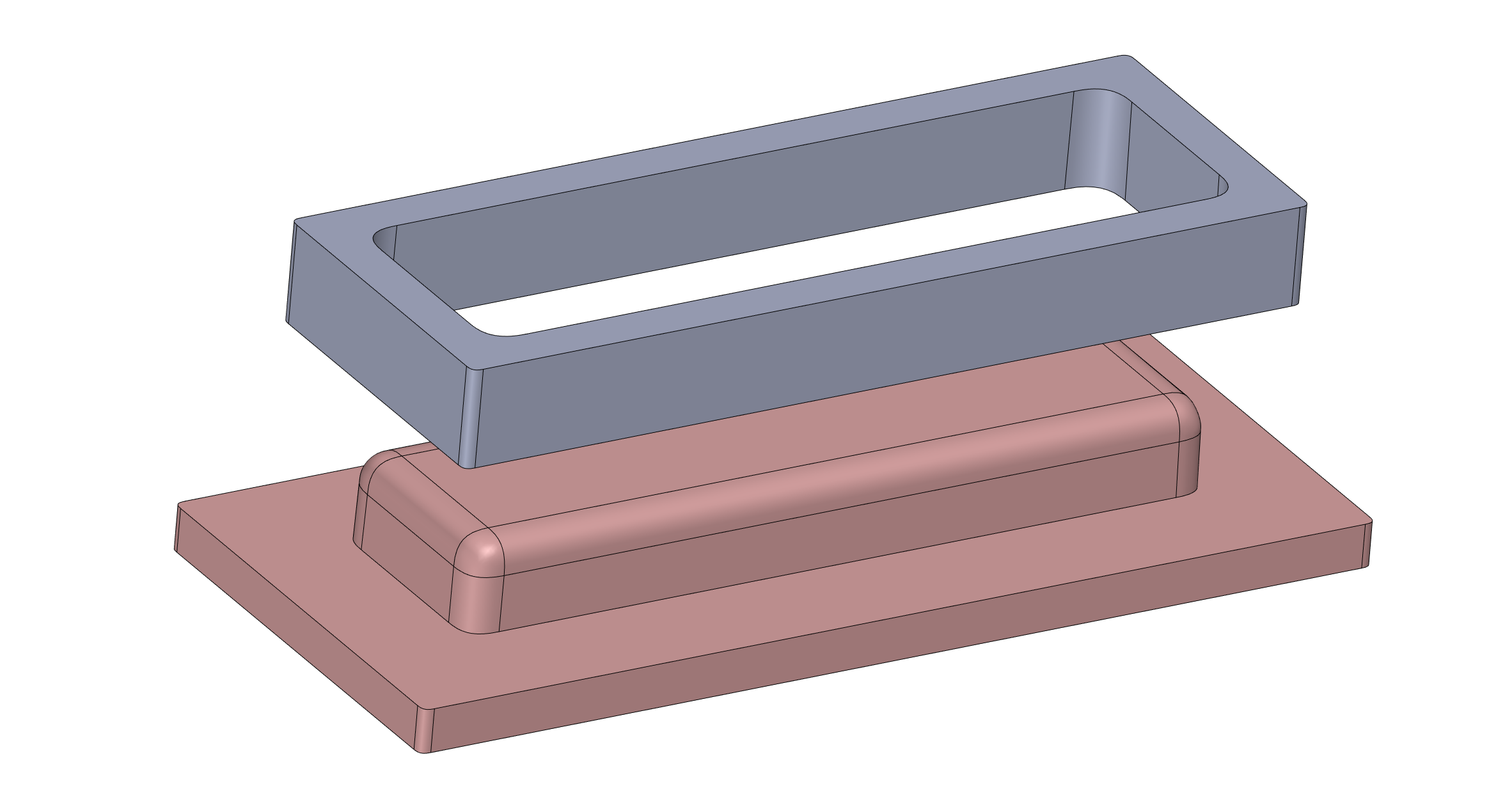
Mould design
The leather will be layered in this two-part mould.
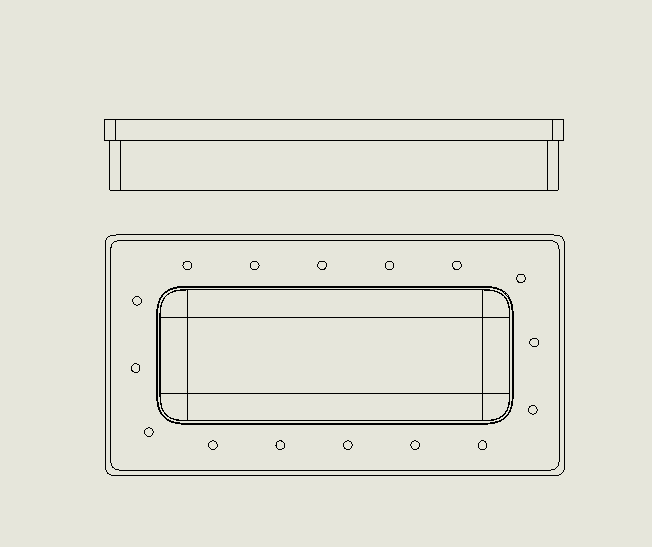
Finalisation
The holes around the base will allow the part to be removed from the mould.

Prototype
Testing on an initial sample for validation.
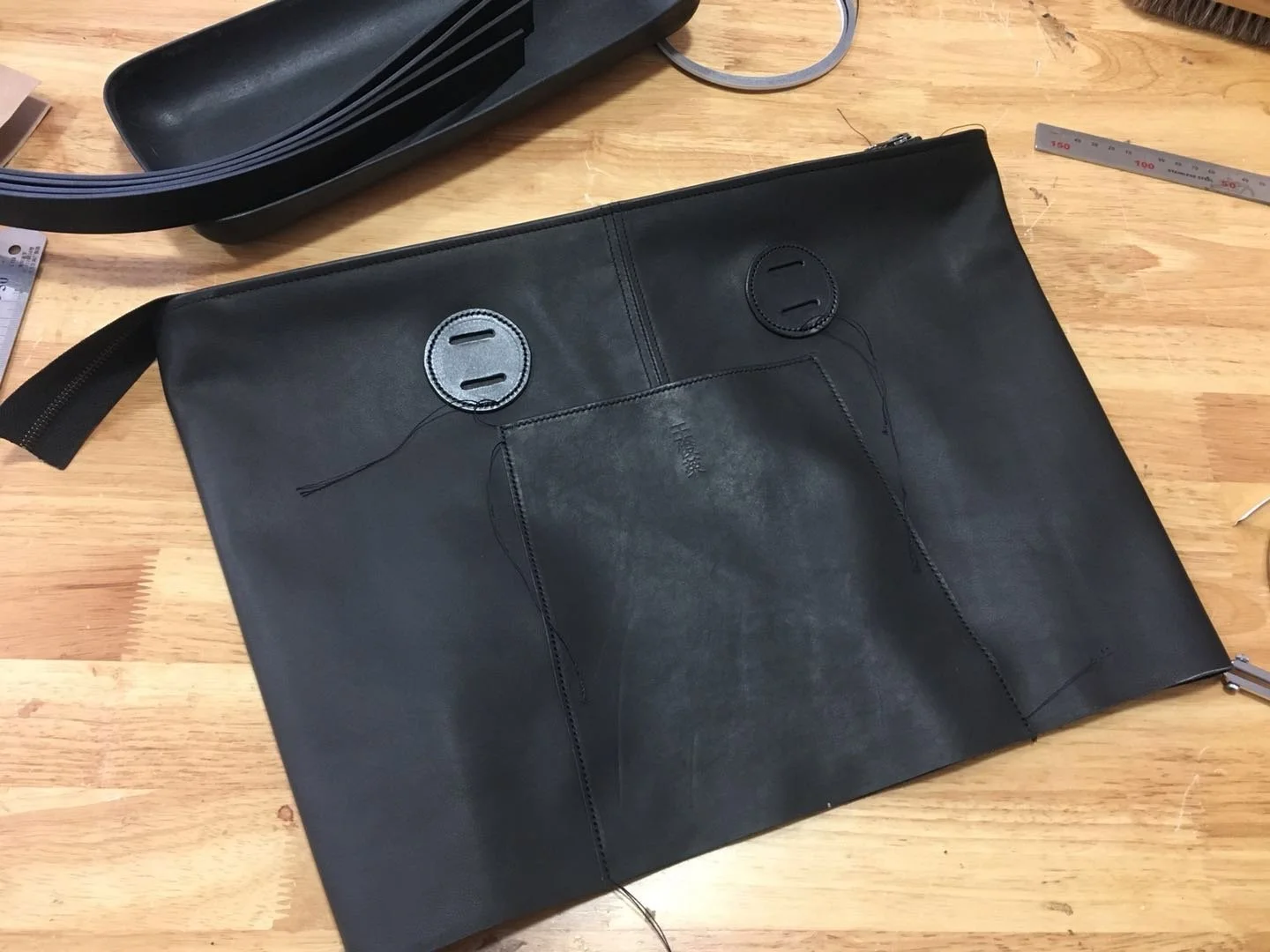
Production
The final product begins with two circular patches that reinforce the point where the strap will be subjected to stress. This technical reinforcement is also an aesthetic feature of the bag's design.
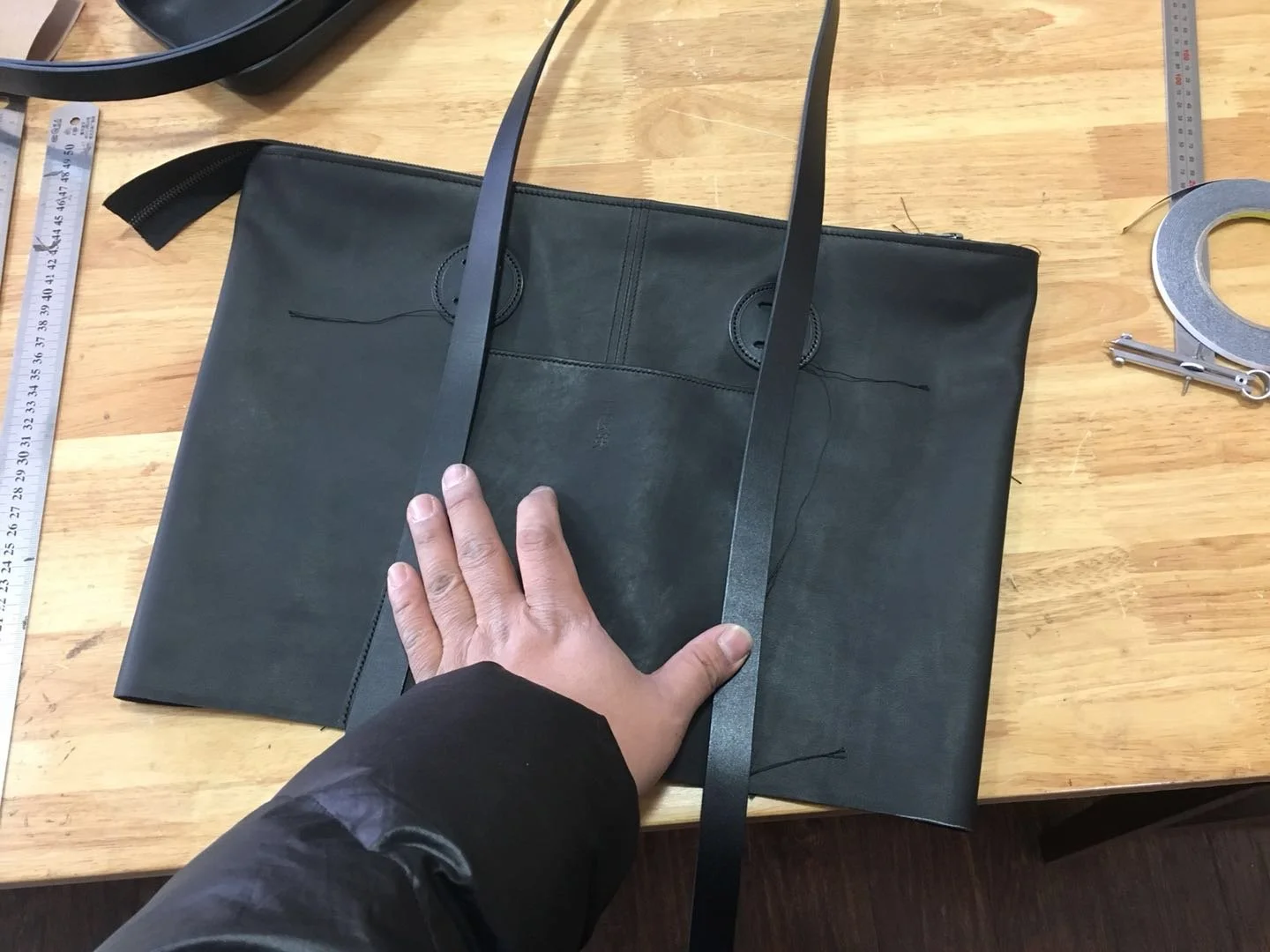
Installing the strap
Verification of measurements before sewing.
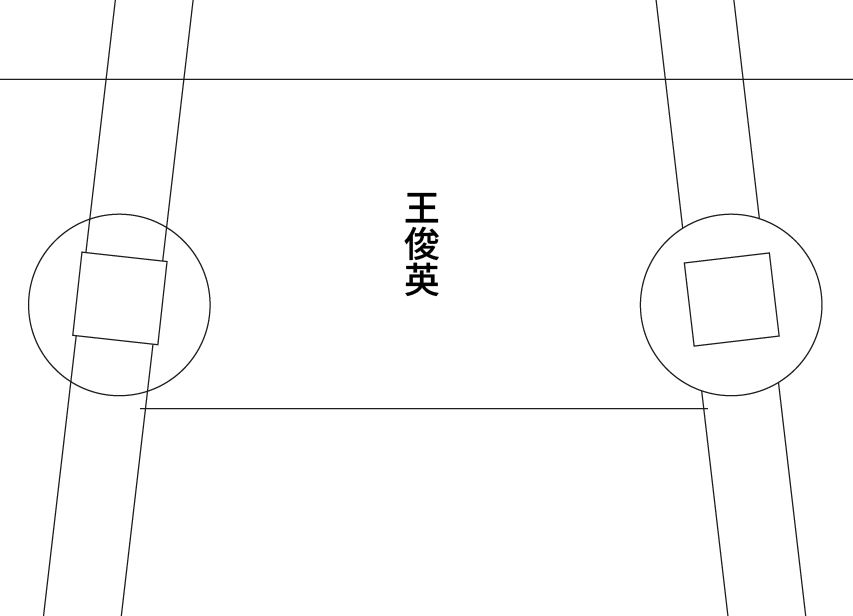
Without logo
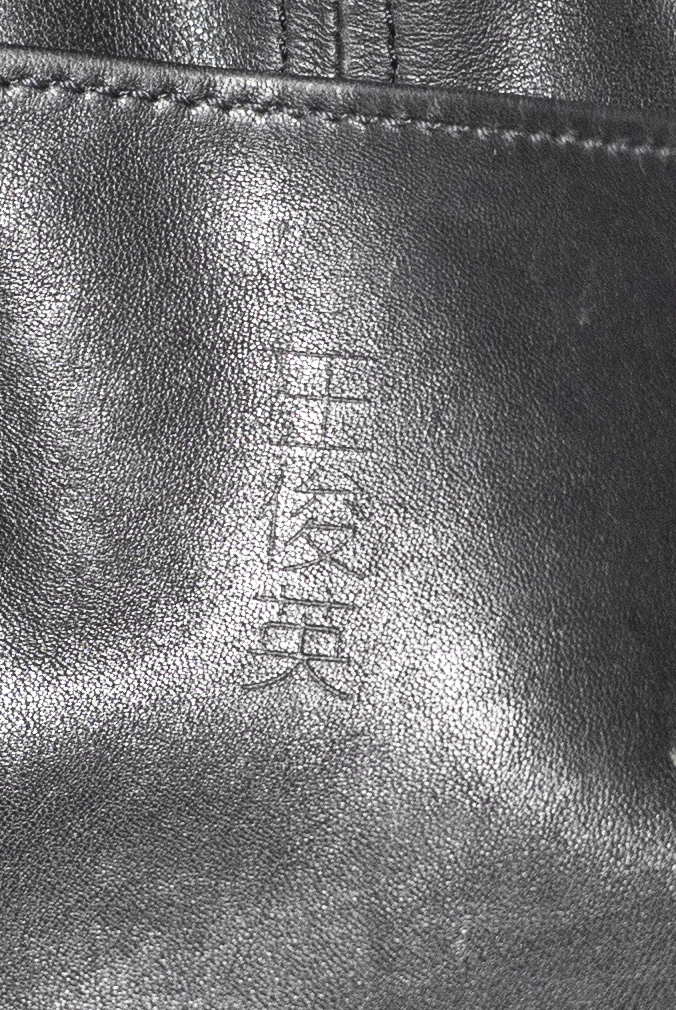
Name embossed on the user's leather.
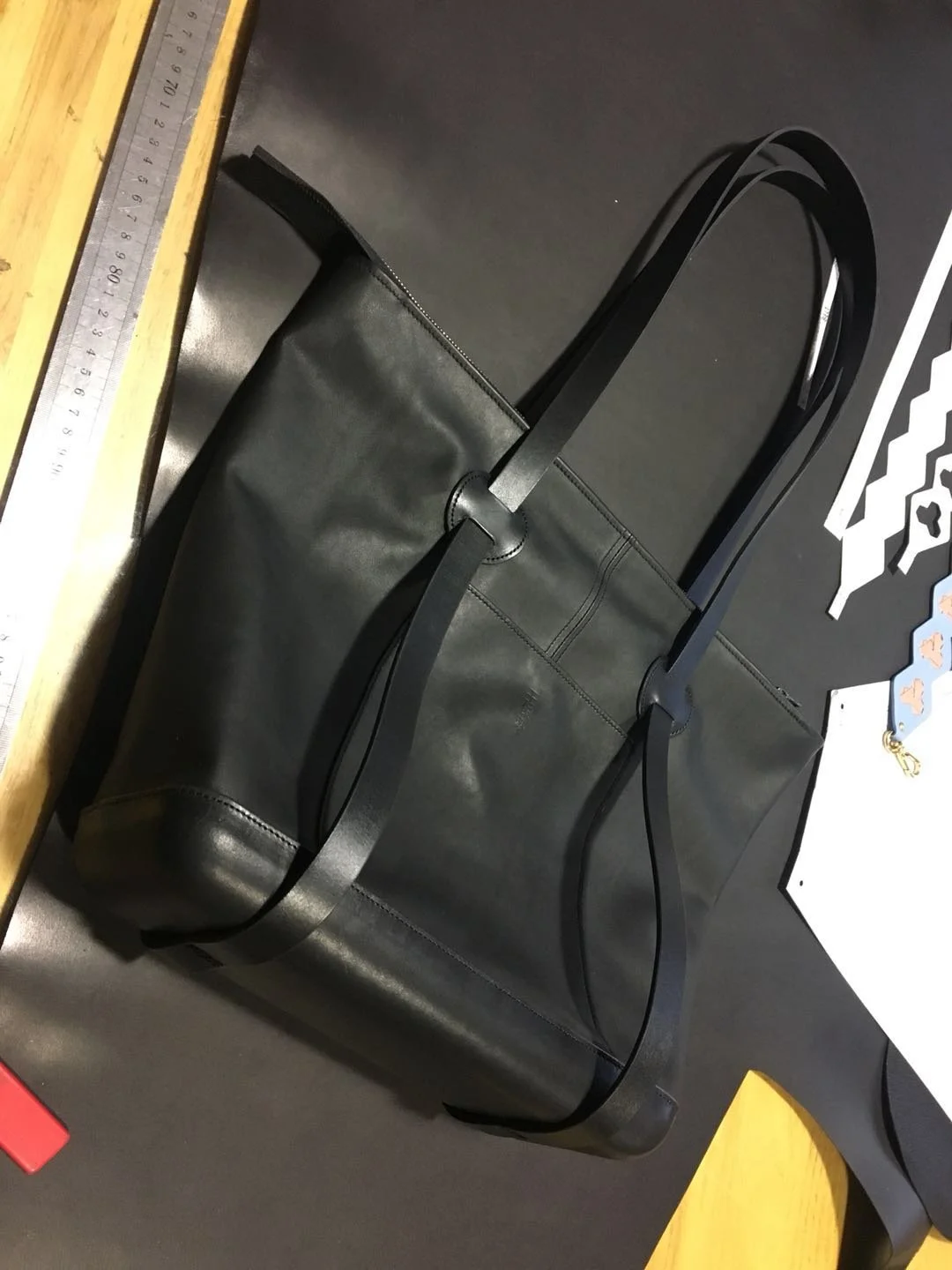
Finishes
The bag now has sewn straps that pass under the base of the bag. The logo has been embossed with the customised name.
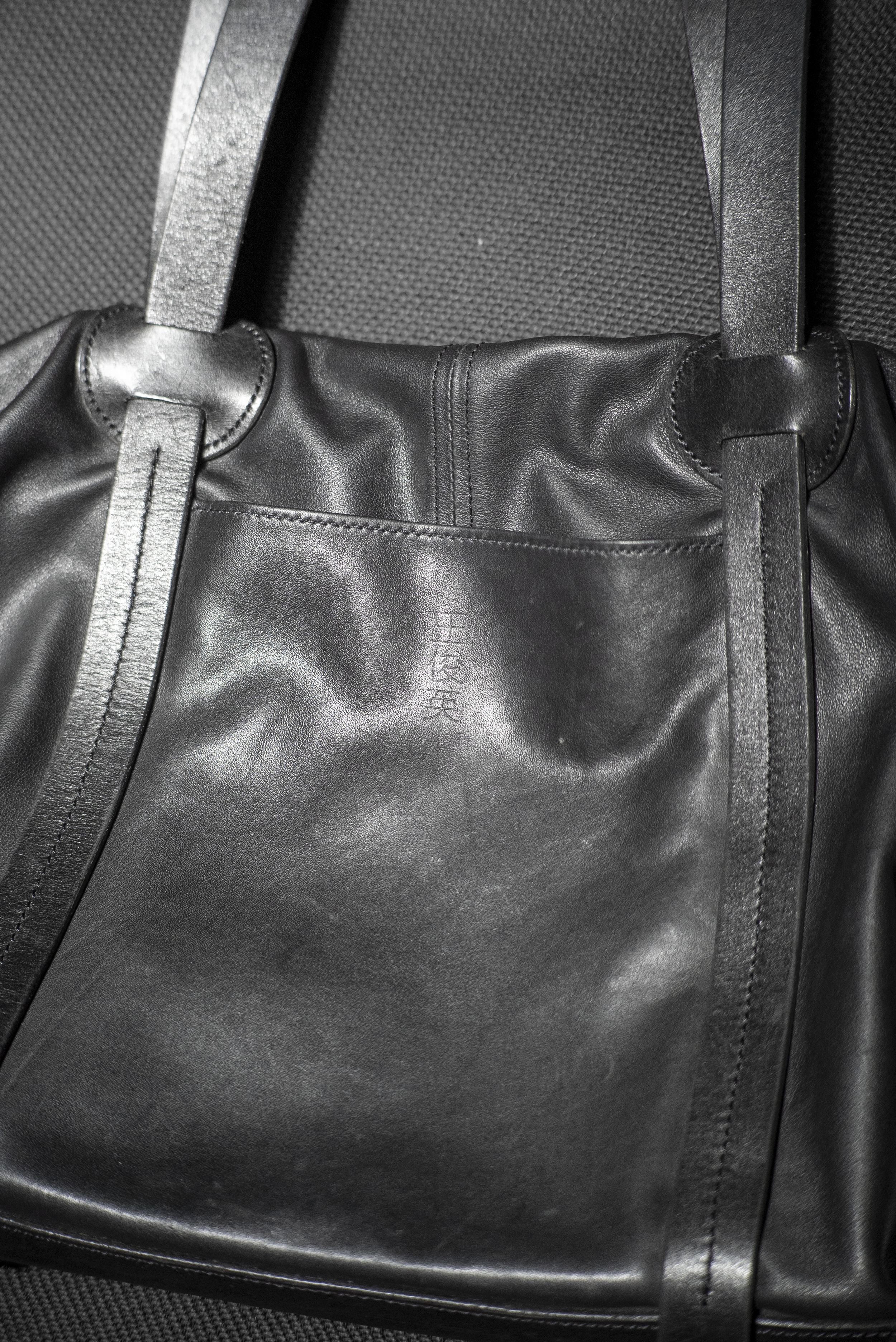
The embossed logo
Long-term test
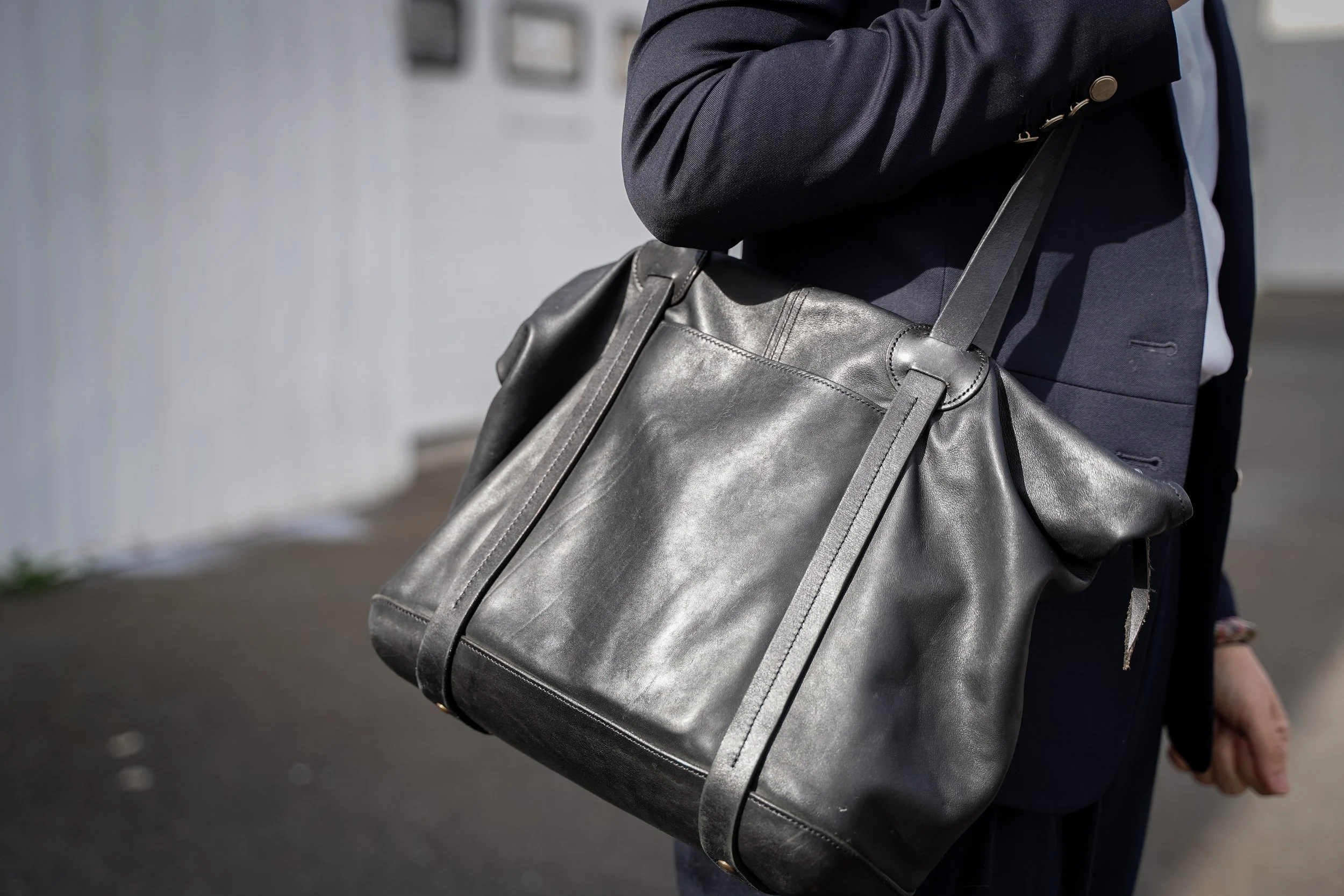
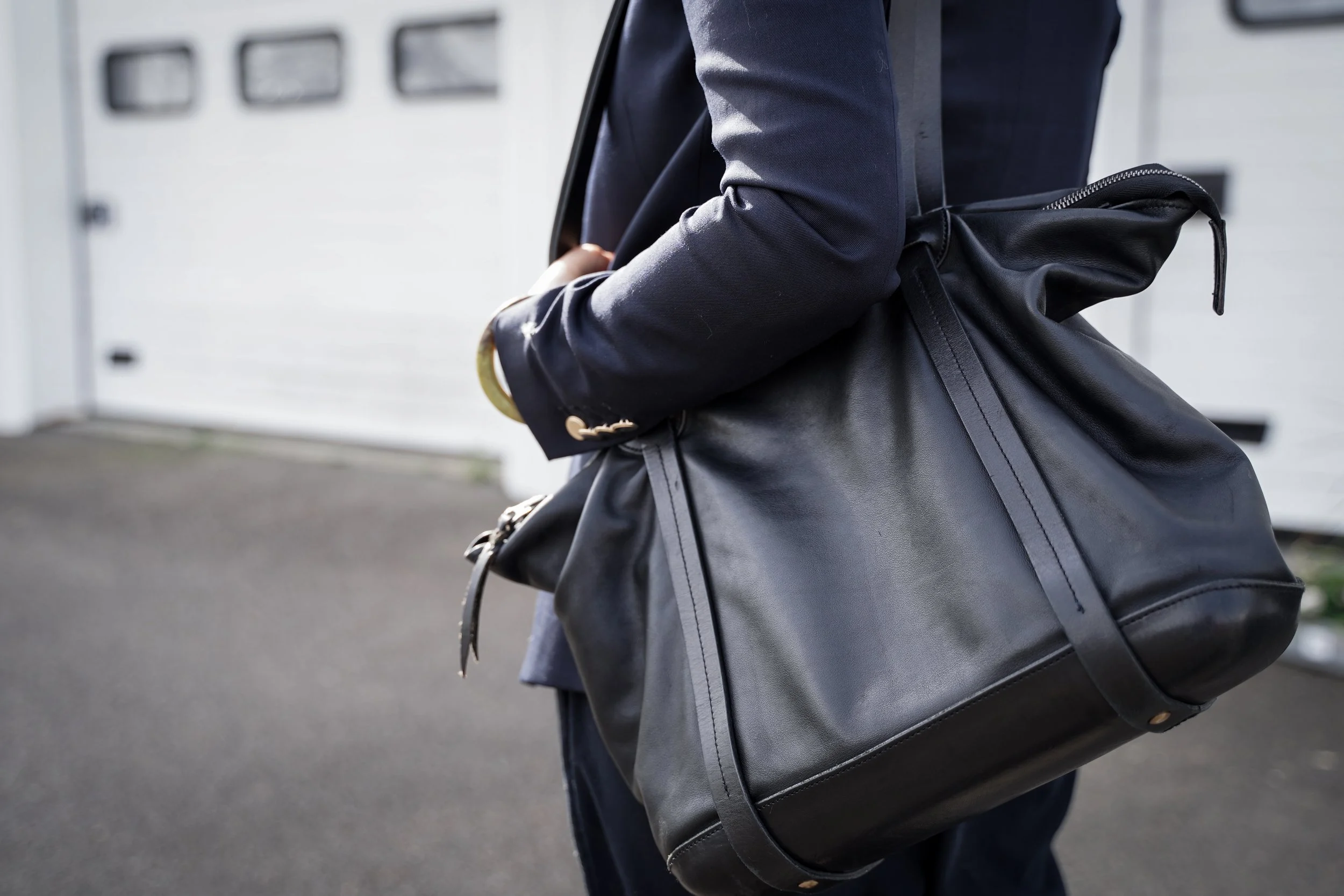
After five years of use, the bag confirms the hypotheses raised at the beginning of the analysis. The leather has developed a patina over time, the straps have remained intact without breaking, and the base has not been punctured or worn prematurely thanks to the absence of protruding corners.
Improvements
As areas for improvement, it should be noted that less supple leather could be used for the upper part to give it more support, or a coated fabric could be used.