


Designing for tomorrow: call for CEOs to integrate sustainability into their strategy, particularly SMEs and micro-enterprises
This article encourages CEOs of SMEs and micro-enterprises in the industrial sector to incorporate eco-design into their strategy. A study shows that the impetus for eco-design often comes from the personal convictions of the CEO, highlighting the importance of their commitment to the transition to more sustainable practices within their company.
Date : 10/27/2023
This article aims to draw the attention of CEOs who run SMEs and micro-enterprises, particularly in the field of industrial production, to encourage them to integrate eco-design into their strategy. Eco-design is an approach that reduces environmental impact while generating tangible benefits.
A study conducted by Pôle éco-conception reveals that the desire to undertake an eco-design initiative often stems from the personal convictions of the company's CEO, who is generally highly committed to sustainable development. In fact, nearly 75% of respondents to the study indicated that the impetus for eco-design came from the CEO.
Eco-design: A way to reduce environmental impact and increase profitability
We wish to highlight the importance of eco-design for managers of SMEs and micro-enterprises operating in the industrial sector. This approach not only minimises environmental impact, but also significantly increases profitability.
CEOs of SMEs and micro-enterprises: Key players in change
We call on the chief executives of SMEs and micro-enterprises to incorporate eco-design into their strategy for the following reasons:
Sustainability for a better future
By adopting eco-design, CEOs of SMEs and micro-businesses can contribute to preserving the environment, thereby offering a more sustainable future for generations to come. According to a study conducted by the Eco-Design Cluster, between 2008 and 2018, the number of companies committed to eco-design rose from 30 to 90. The approach mainly concerns small and medium-sized enterprises, with more than 80% of them employing fewer than 250 people, and more than 75% of companies committed to eco-design maintaining or increasing their profits over the last three years.
Proven profitability
Eco-design is not limited to environmental considerations; it also offers concrete financial benefits: reduced production costs, increased profit margins and stimulated growth. According to a study by the Eco-design Cluster, more than 80% of companies engaged in eco-design have maintained or increased their research and development (R&D) spending, underscoring their commitment to innovation. More than half of these companies have been recognised with awards or certifications for the quality of their management or products.
At Paramétrique, we led the Kami Vision project from 2019 to 2023, and we continue to follow it with enthusiasm. We are delighted to contribute to improving the economic model of this project, making it more profitable and positioning it as a high-end product. The selling price of the products has risen from an average of £20 to £170, which has significantly increased profitability. Profit margins have risen from 3% to 45%. It is important to emphasise that eco-design is a long-term process, but that the financial results and sustainability are well worth it.
Market differentiation
Sustainably designed products stand out in the market, enabling SMEs and micro-enterprises to attract the attention of environmentally conscious customers and set competitive prices. As part of their eco-design approach, many companies have succeeded in improving the functional aspects of their products. On average, these companies have identified two functional benefits (out of a possible seven). The four most frequently cited benefits include improved quality of life (53%), greater savings on purchase (28%), greater ease of use (28%) and greater durability (28%).
Preparation for regulations
Eco-design prepares companies for future environmental regulations, thereby avoiding unexpected costs and penalties. According to Article L 541-10-12 of the AGEC law promulgated in February 2020: ‘All producers are required to develop and implement a prevention and eco-design plan aimed at reducing the use of non-renewable resources, increasing the use of recycled materials, and increasing the recyclability of their products in treatment facilities located on national territory.’
Strengthening Brand and Customer Loyalty
Consumers are becoming increasingly aware of sustainability. Eco-design improves brand image, increases customer loyalty and opens up new business opportunities.
For example, following the success of the Kami Vision project, Kami expanded its new brand, Kami Care, which specialises in providing IoT services in the healthcare sector, thereby significantly improving its public reputation. Consumers now have a positive image of the brand, which strengthens their loyalty. This also opens up new business opportunities for the company.
Attractiveness as an employer
A focus on sustainability can also make SMEs and micro-enterprises more attractive to talented individuals, thereby strengthening their recruitment potential.
Take Action
Eco-design is much more than just a trend. It is a real revolution for SMEs and micro-businesses, propelling them to the forefront of sustainability while boosting their profits.
The implications of these findings are manifold. For business leaders, eco-design offers not only financial benefits, but also the opportunity to stand out from the competition. To launch an eco-design initiative, it is essential that senior management fully embraces this approach, thereby sending a strong signal to the rest of the organisation.
The involvement of various administrative units, including senior management, R&D and manufacturing, is essential. A structured and systematic methodology is required to successfully implement the eco-design process.
By obtaining awards or certifications for management or product quality, a company can strengthen its credibility in the market, thereby facilitating the adoption of its eco-designed products.
Finally, when eco-design also improves the functional aspects of the product, it becomes even more profitable. So now is the time to take action and make eco-design a driver of success for your business.
We call on CEOs of SMEs and micro-businesses to embrace eco-design and integrate it into their business strategy. It is a way to preserve the environment while generating substantial profits. The future of industrial products is undeniably geared towards sustainability. By adopting eco-design, CEOs can pave the way for a prosperous future for their businesses, while contributing to a more environmentally friendly world.
Paramétrique is here to support you in this process, helping you to comply with environmental obligations while thriving economically. Please do not hesitate to contact us to implement eco-design within your company.

The design engine of tomorrow
Le Moteur de Conception pour Demain
16 octobre 2023 à 07h30
‘Eco-friendly design helps preserve the environment by reducing the negative impact of products.’
Trashaus was founded in China in 2019. In 2022, it was registered as a Parametric ecological design office on the west coast of France, in Les Sables d'Olonne. Its goal is to help manufacturers reduce the negative impact of their products on the environment.
Maxence LOISSON de Guinaumont, co-founder of Paramétrique, shares his vision: "I lived in China for eight years. I worked as Industrial Design Director for a major electronics manufacturer. I saw opportunities for improvement in the field of ecology. But in technology, as in many other fields, time is money, and opportunities to challenge design methods and propose new ideas are rare. Yet eco-design is a real lever for innovation and differentiation from the competition.
As for my partner, Wang Junying, she has worked for companies in the Mi ecosystem, Himalaya Technology, and an Australian sustainable development consulting firm in Shanghai. She noticed that not all projects were living up to their environmental commitments. So we decided to take action, and in 2019, we launched this sustainable development project with our partners.
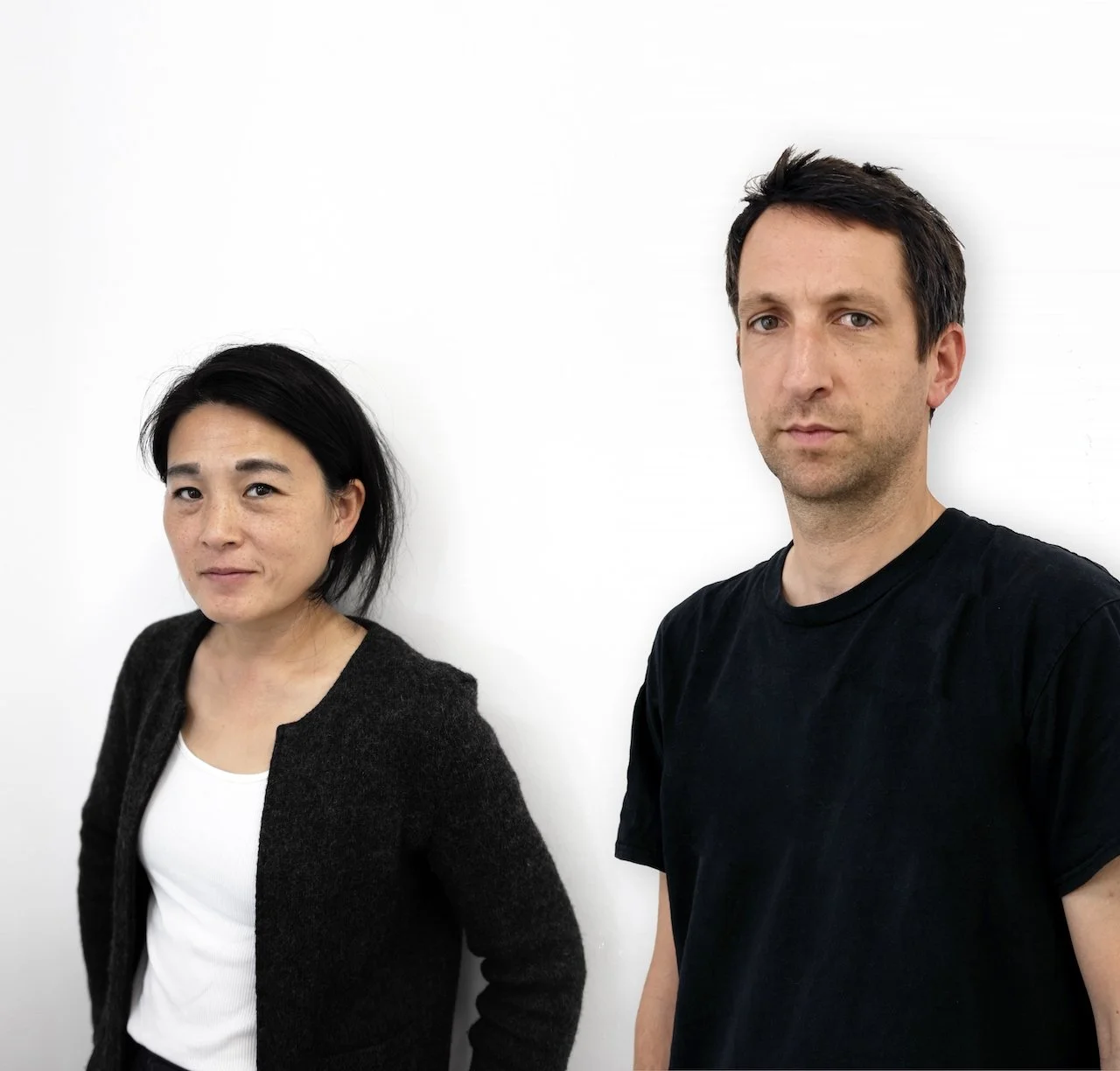
Junying WANG and Maxence LOISSON de GUINAUMONT
Recycling plastic waste
Maxence goes on to explain: "Our experience with sustainable projects began with transforming plastic waste into entirely new products. We participated in the Uber Eats project in China, using their own recycled materials to manufacture delivery boxes. Although the overall plastic recycling rate in France is relatively low (only 20%), thanks to the impetus of selective collection, some private sectors are already achieving recycling rates of 80%. This industry is becoming increasingly organised. Even though waste recycling remains a task for the future, we firmly believe that in five to ten years, plastic will no longer dominate. I think sorting centres can solve this problem without having to rely entirely on designers like us.
Our area of intervention begins at the earliest stages of product design, which has a direct impact on 70% to 80% of the overall environmental impact.
Paramétrique's start-up project has received support from Réseau Entreprendre Vendée. It is currently in the early stages of development and has received a grant of €25,000. Its mission is to establish a solid foothold in the local small and medium-sized business market and achieve a turnover of €91,000 in its first year.
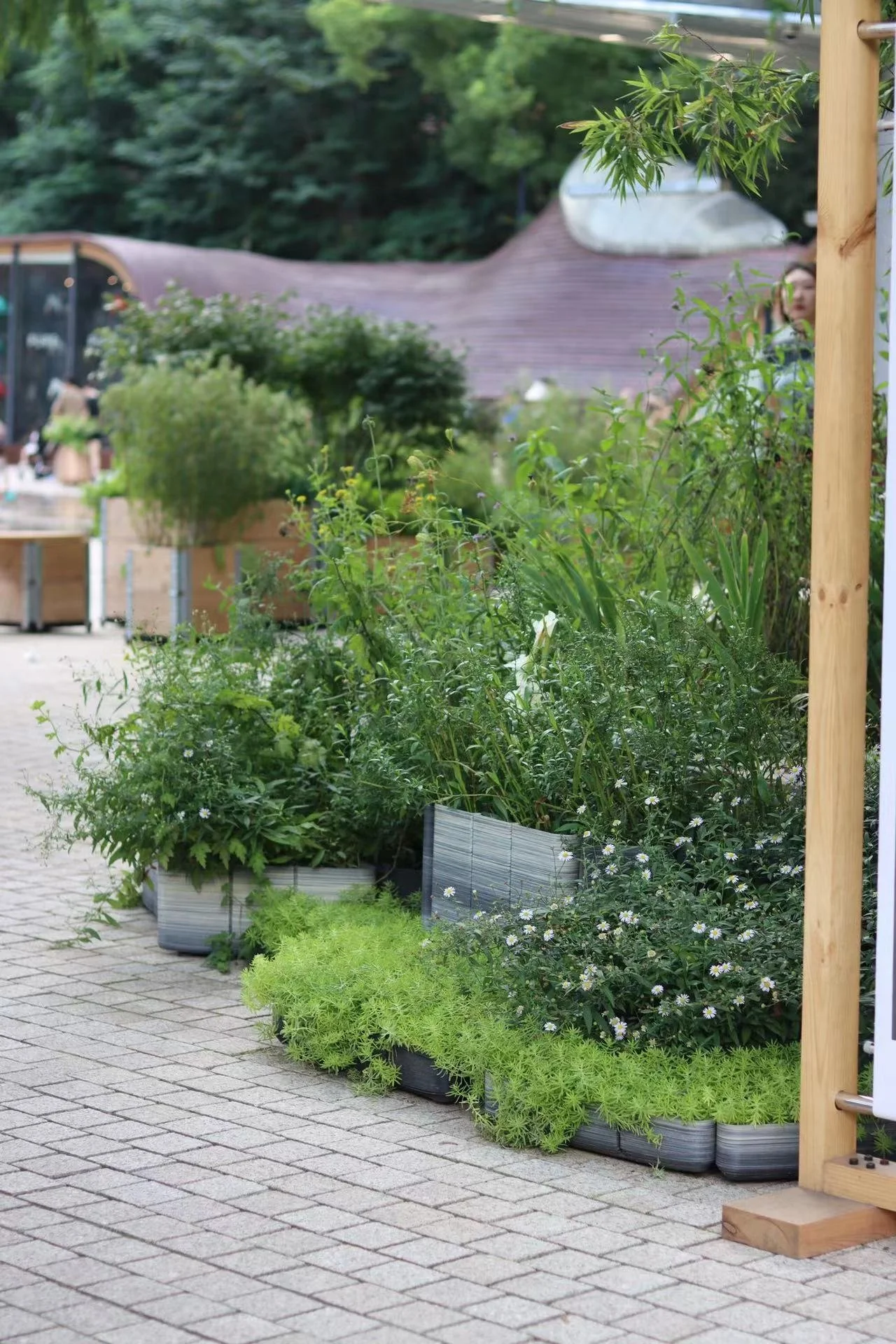
The plants in the recycled plastic flower pots in front of the new headquarters building are thriving, demonstrating the success of the eco-friendly design.
Paramétrique is involved in several major recycled materials projects, including the Kleeklee embossed flower pot project. Kleeklee aims to develop a unique design for environmentally friendly flower pots. These flower pots are made from recycled materials, using 3D printing technology and a large-format granule 3D printer. Product features include structural strength, recycled plastics, environmentally friendly design, high-performance triangles, and innovative and unique design.
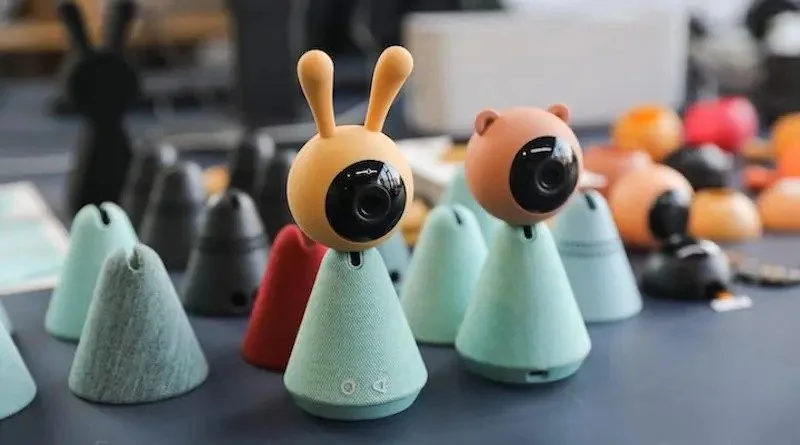
Kami camera series
Customer testimonial
Feedback from Paramétrique's customers highlights the success of Kami Care's eco-friendly camera project. Faced with various challenges, including designing an attractive, functional product that delivers high-quality video and complies with toy standards, Kami succeeded thanks to its environmentally friendly design approach, the key points of which are as follows:
1. Choice of natural materials: Kami opted to use fabric instead of plastic and rubber shells wrapped in fabric, as well as a food-grade silicone cover. This provides a more advanced texture while offering a more peaceful user experience.
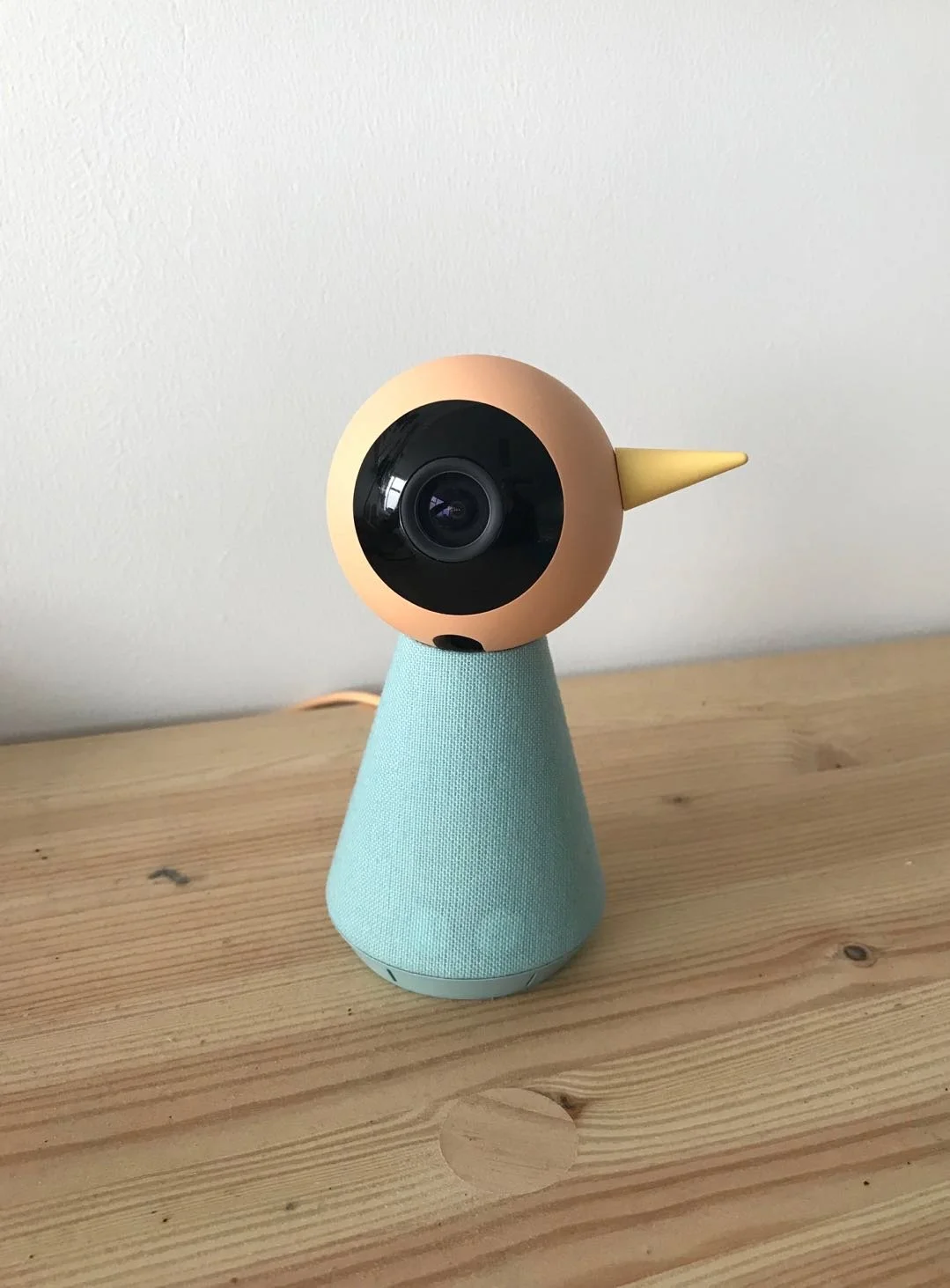
2. Reduced environmental footprint and sustainability: By using sustainably recycled materials, Kami has significantly reduced its environmental impact, with a 25% reduction in waste production across its entire product range. This approach has also increased the sustainability and quality of the products, extending their lifespan. The design of products and accessories is optimised to extend their life cycle, benefiting both users and the environment.
3. Increased profit margin: By shifting from a low-margin business model to one based on high-quality products with higher margins, Kami Care has likely seen a significant increase in profitability. This allows the company to generate more revenue while ensuring product sustainability.
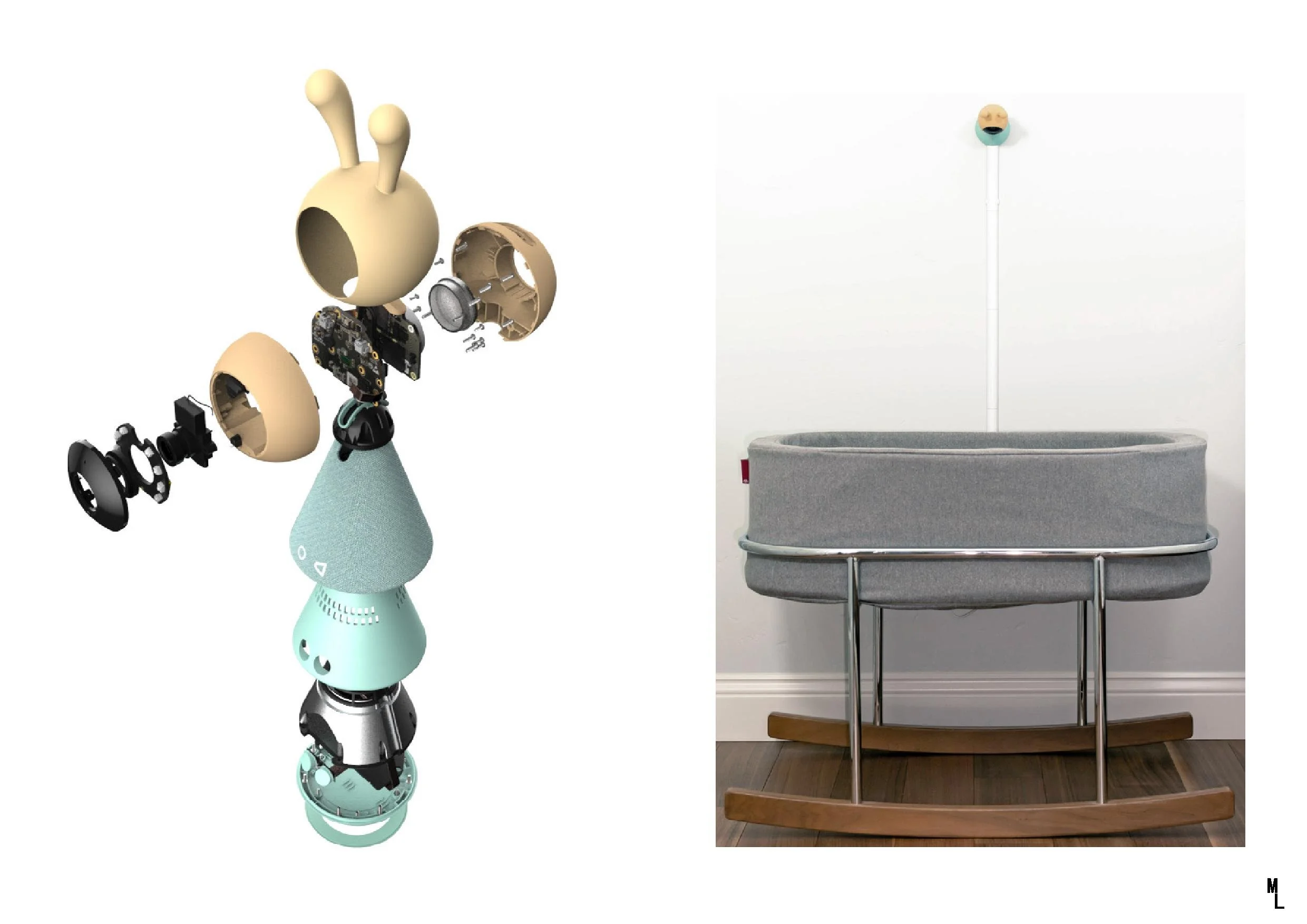
4. Design for tomorrow: Kami's designs focus on reducing environmental impact through the use of energy-efficient LED technology. The night light diffused through the wall has been chosen to avoid dazzling the baby's eyes, with adjustable brightness and a softer light to protect the baby's delicate eyes.
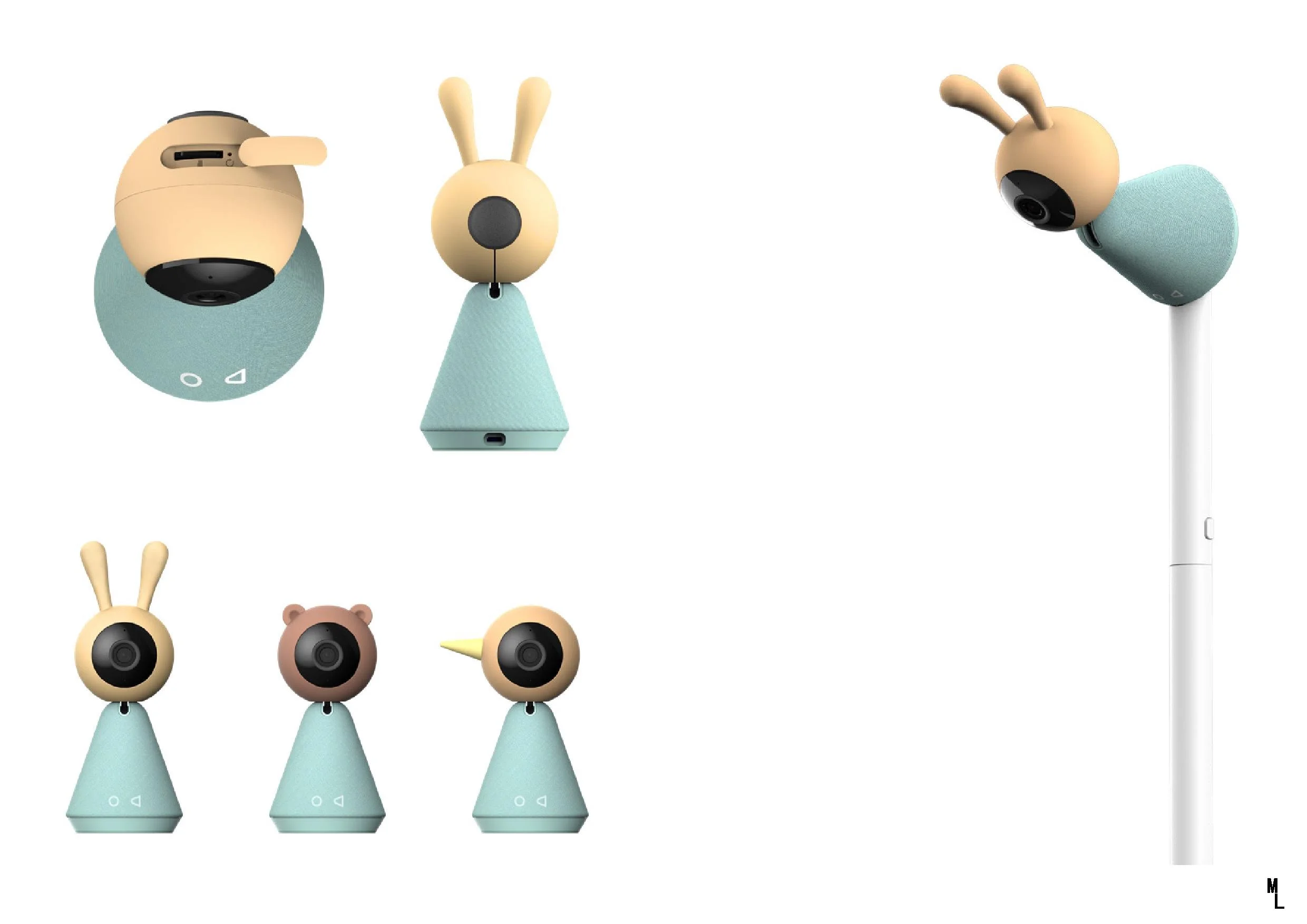
5. Impact on price: You mention that the standard Kami camera model sells for €19.99, while the Kami model with an environmentally friendly design sells for $149. This shows that customers are willing to pay a higher price for better quality and environmentally friendly products. It may also indicate that the market is willing to support products that have a lower environmental impact, even if they cost more.
6. Efficiency and functionality: Kami products offer an excellent balance between efficiency and functionality, all in compact, user-friendly packaging.
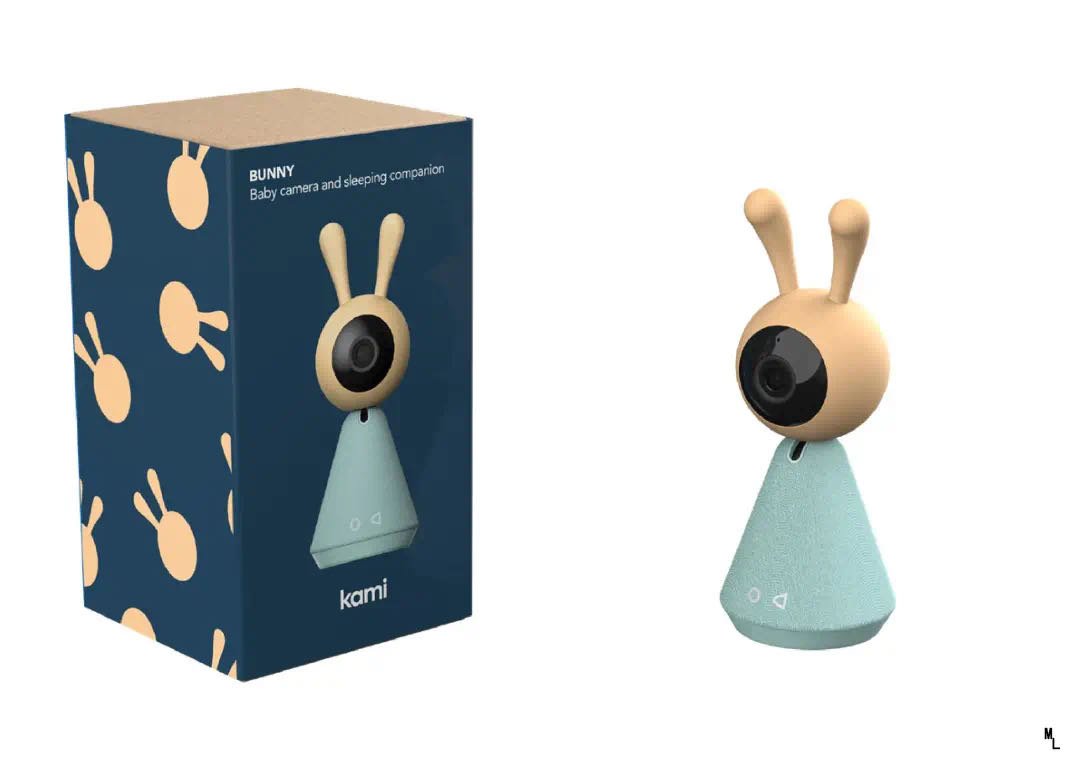
7. Data confidentiality and security: Kami's design incorporates measures to ensure data confidentiality and security, thereby strengthening user confidence. A high-precision metal shaft has been chosen, guaranteeing superior quality and peace of mind. Belief in the durability and quality of these products encourages customers to invest more, even if the price is higher.
8. User-centred design: A design method that places user needs at the heart of the process to ensure the product is easy to use and practical. When the product is switched off, it becomes a beautiful decoration or toy in the user's home.
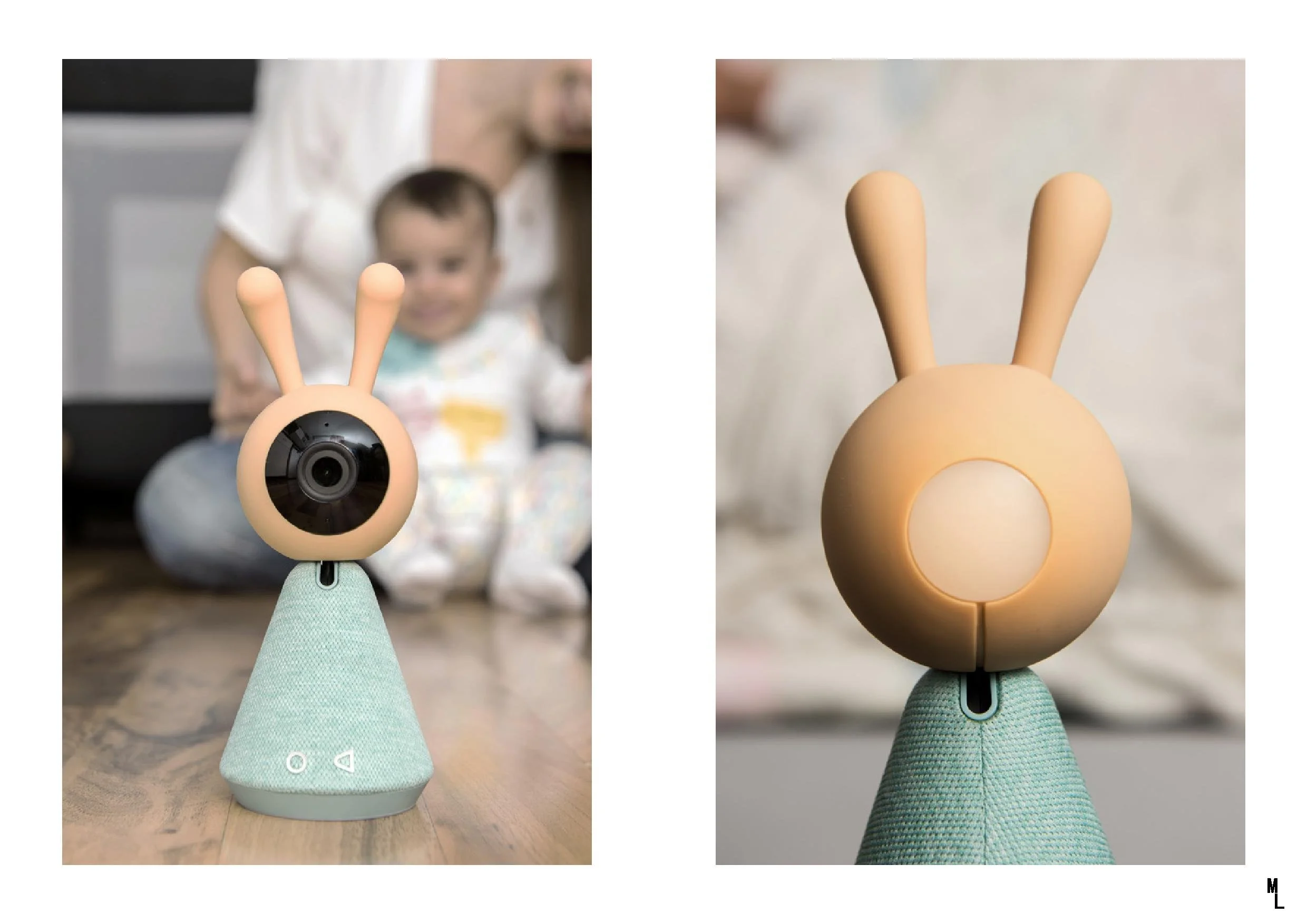
9. Timeless aesthetics: Despite continuous technological developments, Kami products retain a timeless aesthetic, thus preserving their appeal.
10. Adapting to market trends: Kami is responding to growing demand in the US market for environmentally friendly products that offer privacy and versatility.
Overall, Kami's market success is based on its environmentally friendly designs, which respond to changing consumer needs and promote sustainable products. This approach contributed to the success of Kami's crowdfunding campaign. To summarise this process, an in-depth analysis of customer profiles, sales channels and usage scenarios must be conducted, while defining clear specifications for the product.
In summary, Kami's success in the global market in 2020 and beyond is proof of its eco-centric design approach. The product's design incorporates sustainability, functionality, user-friendliness and data security, thereby meeting the changing needs and values of consumers. As a result, Kami continues to thrive in a competitive market, as evidenced by the £9,000 raised through Indiegogo in 2020, thanks to 914 contributors, as well as the £7,000 raised on 24 January 2020 with the support of 741 contributors. These figures clearly demonstrate the product's success. 🌱
Paramétrique is here to support the growth of your hardware business with our forward-thinking designs.
"To clearly define the product design philosophy, thoroughly analyse the customer profile, sales channels and usage scenarios.
Transform the information gathered into a clear specification document.
Have a comprehensive overview, including a thorough analysis of market needs, product concept and risks."
The Kami team and CEO Da

Eco-design: a lever for profit margins on new products
Insight | L’Éco-conception : un Levier de création de valeur pour les Nouveaux Produits
In the demanding world of senior corporate management, CEOs are on the front line, responsible for making crucial decisions to ensure the growth and profitability of their companies.
In this context, every new strategy must be carefully evaluated. This is where eco-design proves to be an essential element in boosting the profitability of new products.
Eco-Design: Merging Environmental Responsibility & Profitability
Eco-design is not just a trend, but rather an approach to innovation and differentiation that reconciles environmental responsibility and profitability. It represents a rigorous process aimed at designing products that not only meet market expectations, but exceed them, while reducing environmental impact and optimising production costs.
CEOs: key players in the ecological transition
CEOs play a crucial role in integrating eco-design into corporate strategy:
Visionary strategy: As visionaries within their companies, CEOs have the ability to guide their organisations towards a product design strategy that integrates environmental responsibility as an essential element in the creation of new industrial products.
Alignment with objectives: CEOs can ensure that objectives to reduce the negative environmental impact of products, as well as their sustainability, generate value and profitability.
Leadership and Commitment: CEOs' leadership in eco-design can inspire the entire company. Commitment to environmental sustainability thus becomes a pillar of corporate culture.
Tangible Benefits for Profit Margin
Eco-design offers concrete benefits for the profit margin of new products:
Reduced production costs: Optimising production processes and managing resources efficiently reduces manufacturing costs, contributing to higher profit margins.
Market differentiation: Sustainably designed products stand out in the market, which can lead to higher prices and increased profitability.
Risk reduction: Companies committed to eco-design are better prepared to deal with environmental regulations, avoiding unexpected costs and litigation.
Brand image and customer loyalty: Consumers are increasingly sensitive to sustainability. Eco-design strengthens brand image and promotes customer loyalty.
Employer brand: Eco-design also enhances the company's attractiveness as an employer.
A step towards the future
Eco-design represents a vision for the future. CEOs have the opportunity to position their companies as leaders in sustainable innovation. This approach goes beyond simple product design; it influences the entire corporate strategy.
Eco-design is not just an environmental approach; it is a powerful way to increase profitability. CEOs who adopt eco-design give their companies a significant competitive advantage. They are catalysts for responsible innovation, benefiting the planet while boosting profitability.
The future of industrial products is firmly focused on sustainability. By integrating eco-design into their corporate strategy, CEOs are paving the way for a future that minimises environmental impact from the moment a product is used until the end of its life.