

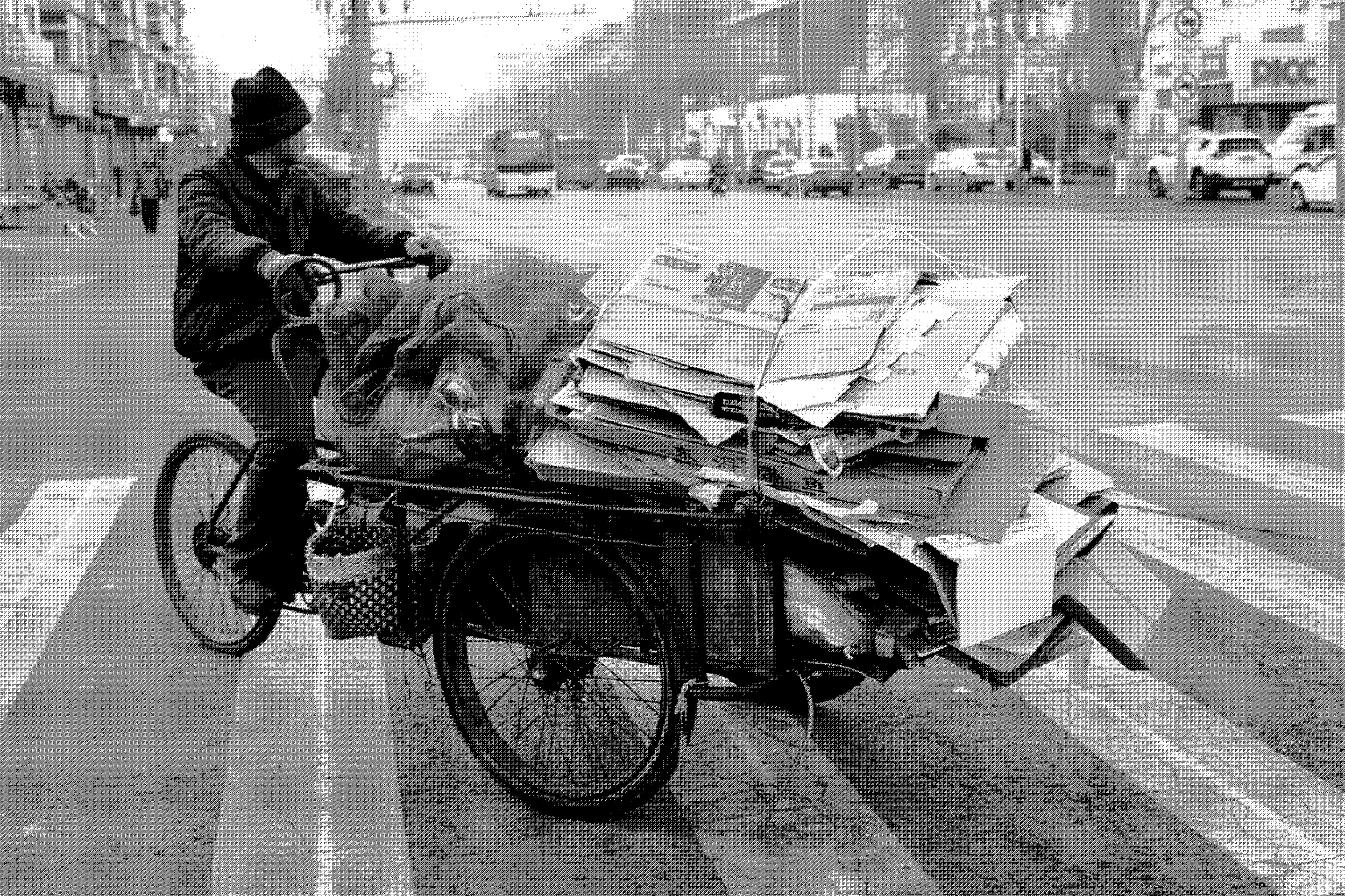
Waste management: the importance of informal waste collectors in China's circular economy
La Chine est confrontée à un défi croissant en matière de gestion des déchets. La croissance économique et urbaine rapide du pays a entraîné une augmentation significative de la production de déchets. Le secteur informel, qui comprend les collecteurs de déchets, joue un rôle essentiel dans la gestion des déchets en Chine.
L'impact profond du secteur informel:
Le secteur informel de collecte des déchets en Chine joue un rôle essentiel dans le recyclage et la déviation des déchets des décharges. Les collecteurs de déchets collectent et recyclent des matériaux recyclables, tels que le papier, le carton et le plastique, qui seraient autrement destinés aux décharges ou aux incinérateurs.
Défis du commerce électronique et de la consommation:
Le commerce électronique, qui est en plein essor en Chine, contribue également à l'augmentation de la production de déchets d'emballage. Les individus contribuent également à la réduction des déchets en recyclant et en consommant de manière responsable.
Une voie à suivre:
Les gouvernements et les entreprises doivent envisager d'intégrer le secteur informel pour améliorer l'efficacité et la durabilité. Les individus peuvent également contribuer à relever le défi des déchets en réduisant leur production de déchets et en soutenant les initiatives écologiques.
Predicting waste generation at source
Over the past decade, Chinese cities, including major urban centres such as Beijing and Shanghai, have experienced remarkable economic growth and urbanisation. However, this unprecedented growth has been accompanied by a significant increase in waste production. While the formal waste management sector faces challenges, the informal sector, including waste pickers, plays a vital role in recycling and diverting waste from landfills.
This article explores the complex world of informal waste collection in China, highlights opportunities for a more sustainable waste management system, and emphasises the importance of individual actions in tackling waste-related issues.
China, a model of reuse
China is a country with a thousand-year-old tradition, and its culture is deeply rooted in resource conservation and efficiency. This mentality is reflected in the way the Chinese approach waste reuse.
In China, it is common to reuse objects, whatever they may be. For example, a water bottle can be used for 10 years or more, and a glass jar can be turned into a tea cup.
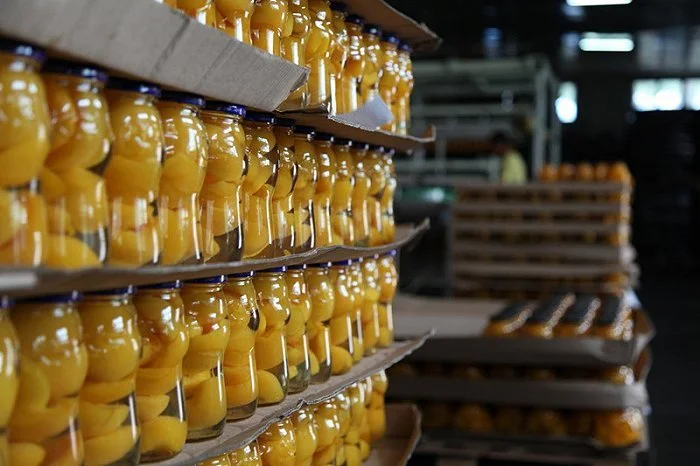
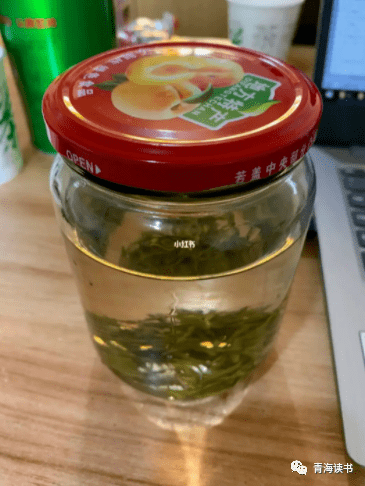
A glass fruit jar turned into a water bottle
The effectiveness of the informal waste recycling sector
China's informal waste collection sector goes far beyond mere subsistence; it is a dynamic ecosystem that has long been at the forefront of recycling various materials, including electrical appliances, plastics and metals. Benjamin Steuer, a graduate student at the University of Vienna, points out that this sector has saved significant amounts of money, amounting to hundreds of millions of yuan for cities such as Beijing.

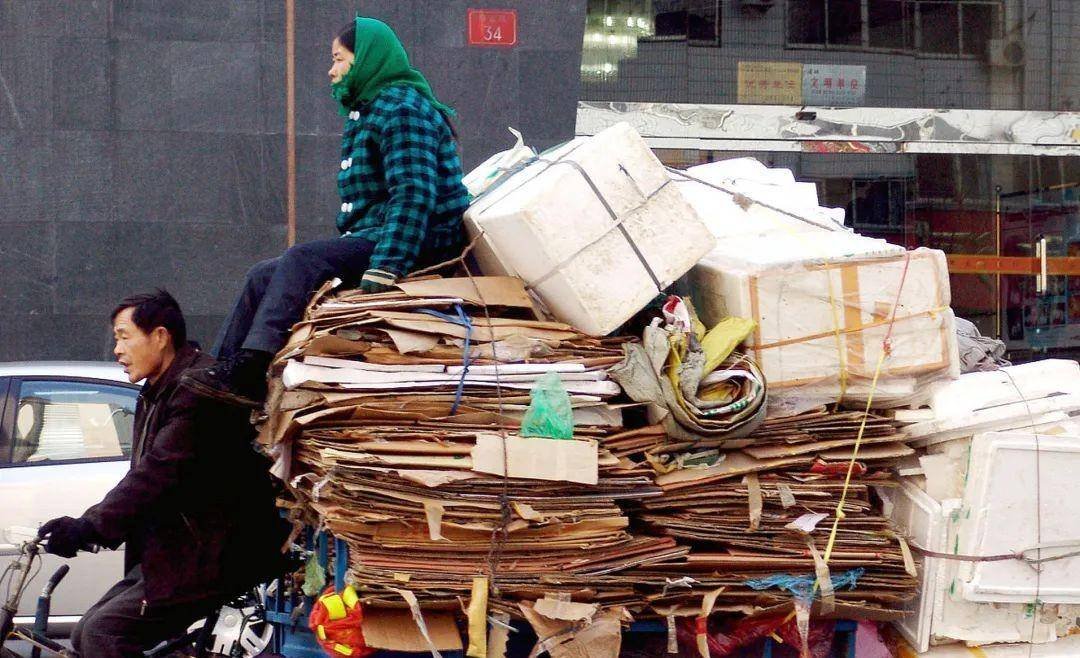


Paper, cardboard and plastic in particular are at the heart of this informal sector. These materials are often recycled and transformed into new products within 10 to 15 days of being discarded, demonstrating the efficiency of the system.
Challenges of e-commerce and consumption

Alibaba's sales exceeded RMB 200 billion (€25,653,123,380) on 11 November 2018.
11 November in China is ‘Singles' Day’. It is a celebration of mass consumption. This commercial event, similar to ‘Black Friday’, contributes significantly to the surge in packaging waste, resulting in higher prices. The growth of the event has led to a sharp increase in demand for paper and cardboard. Indeed, the rise of e-commerce giants and delivery services has led to a relentless demand for cardboard and plastic packaging.
While large companies such as Amazon are using new packaging for their deliveries, recycling is common practice in China. Individuals regularly recycle their boxes, a small but nevertheless important step towards sustainability.

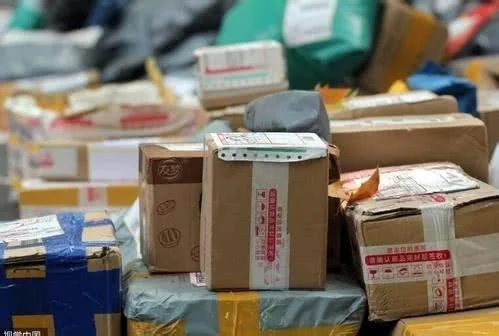
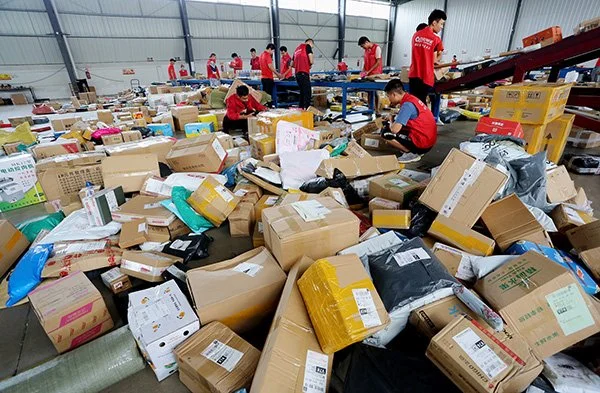
It is easy to see packaging that is often used and reused in China.
A path to follow
As China's major cities grapple with growing waste challenges, they must consider integrating the informal sector to improve efficiency and sustainability. The need to build recycling plants, develop new collection systems, and construct more incinerators while managing an increase in waste is a daunting task.
Designing for tomorrow
The waste problem is one of the most pressing issues facing our planet. In 2022, the world produced more than 2.5 billion tonnes of municipal solid waste, more than at any other time in history. This amount is expected to increase by a further 70% by 2050, reaching 3.4 billion tonnes.
One of the main factors contributing to the waste crisis is the excessive production of single-use products. These products, such as plastic packaging, disposable cups and cutlery, are often thrown away after a single use, contributing to soil, ocean and air pollution.
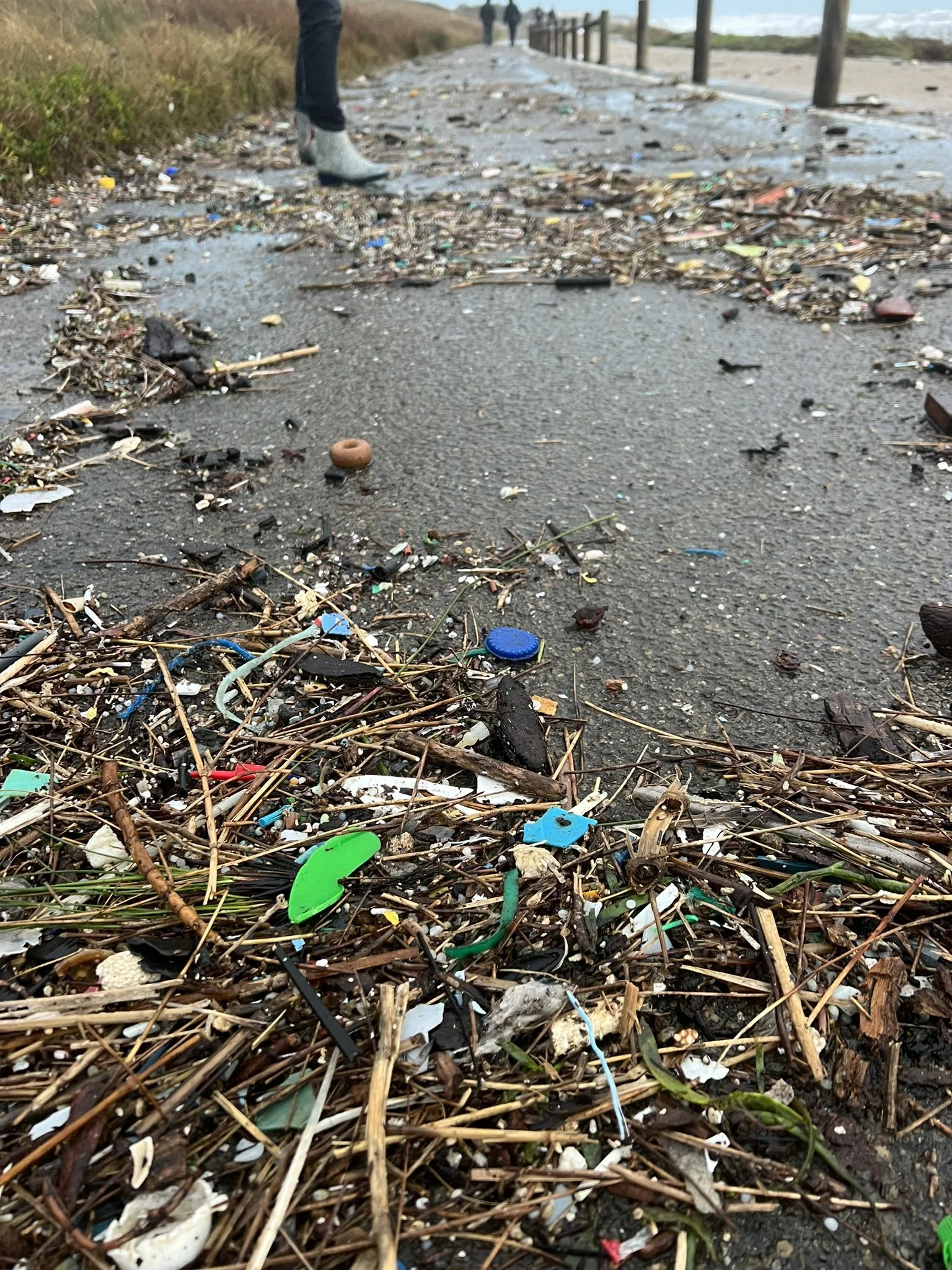
Waste from the sea after the storm
To tackle the problem of waste at source, design for tomorrow has become an essential tool. An eco-design agency tells us that 70% to 80% of environmental impacts are determined during the design phase of a product or service. By working from the very beginning of a product's life cycle, eco-design agencies aim to avoid waste and implement more sustainable practices. This proactive approach is essential for tackling the root causes of waste generation and promoting a circular economy. Companies must design products that can last longer and be easily repaired, reducing the need for replacement purchases. Companies must incorporate recycled materials and renewable resources into their products, reducing their dependence on virgin materials.
Although the scale of change required may seem daunting, every little effort counts. As individuals, communities and nations, we must collectively commit to protecting the environment. By reducing waste, supporting green initiatives and taking action, we can contribute to a cleaner and more sustainable world.
Furthermore, we must consider the significant impact of eco-design on waste reduction and apply this concept to minimise waste at the product and service design stage. These measures, combined with individual actions such as recycling and responsible consumption, can reverse the trend and pave the way for a greener and more sustainable future. Together, we can tackle the waste challenge and create a cleaner world for future generations.
Reference:
1. Chinadialogue.(2018 July 30) New waste policies leave informal traders struggling. Wang Chen. Beijing
2. Chinadialogue. Pollution (2017 June 5) China to release plan for tackling e-waste by end of year. Feng Hao
3. Ifeng. (2020 mars 20) En ramassant les déchets pour acheter deux maisons et en recyclant les déchets, ne voulez-vous pas vous laisser transformer par Internet ? Jilin.
4. Collective Responsibility (2017 June 27). New report: informal waste management in China. Richard BRUBAKER. Shanghai. Blog
5. news.cn (2022,Novembre,12 ) “双11”当天全国快递处理量达5.52亿件, 新华社
6. Recyclage des canettes et des verres
7. NBC News (2018 novembre 11). Alibaba’s Singles Day Sales Top $30 Billion. The Party May Not Last.Raymond Zhong.
8. La nouvelle république(2023 Octobre 2023 ). Tempête Céline : les plages de Vendée submergées par des tonnes de déchets plastiques. Pollution Vendée.